
Advancements in Carbon Dioxide Capture Technology and Economic Implications
Carbon capture technologies, particularly Direct Air Capture (DAC), are transitioning from experimental to operational, with implications for climate change mitigation. However, the scalability and infrastructure for long-term CO₂ storage remain critical challenges for the industry.
 Theia Market Signal Identification - AI Assisted
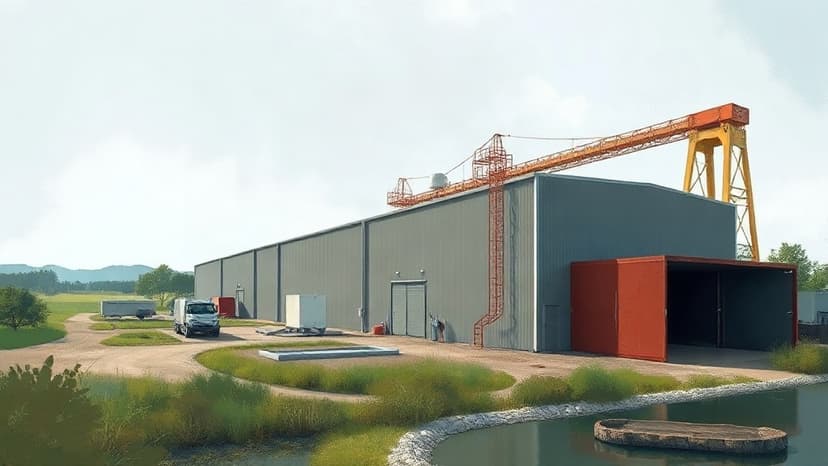
Direct Air Capture (DAC) technology has advanced to operational status, with facilities like the Orca plant in Iceland demonstrating its viability. Current global CO₂ emissions exceed 35 billion tons annually, while existing capture capacities are marginal, highlighting the need for thousands of large-scale DAC facilities for significant impact.
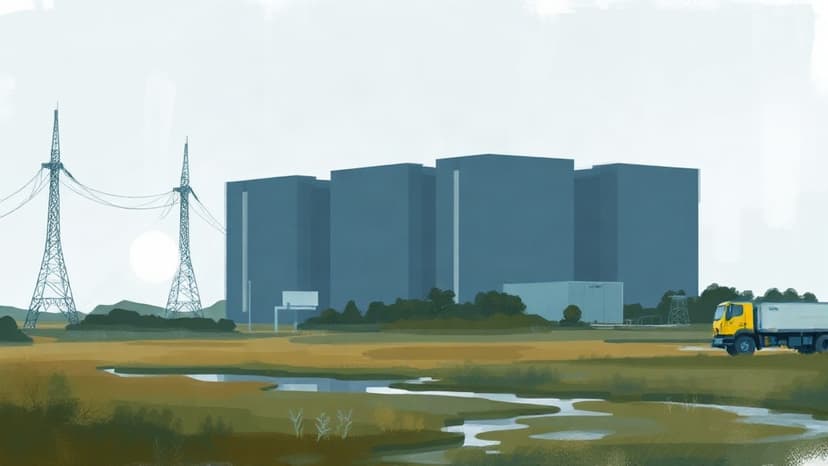
The process of capturing CO₂ is only the beginning; the subsequent geological storage poses challenges regarding capacity and infrastructure, including pipelines and monitoring systems. Companies like Occidental Petroleum are integrating carbon management into their business models, treating CO₂ as a strategic resource.
The European Union is incorporating carbon capture into its economic strategies, aiming to accelerate low-emission technologies. The competitiveness of regions will depend on their ability to develop the necessary infrastructure and regulatory stability for carbon storage solutions.


Comments