
Arctic Experiences Record Low Sea Ice Levels Mid-Winter, Barents and Kara Seas Nearly Ice-Free
For the first time in recorded history, the Barents and Kara Seas are nearly ice-free mid-winter, as overall Arctic ice cover reaches a record low of just over 13 million square kilometers. Climate scientist Céline Heuzé attributes this alarming trend to warmer Arctic and ocean temperatures, along with reduced ice thickness, raising safety concerns for researchers. Studies suggest the Arctic could face its first ice-free day before 2030, highlighting the urgent implications of climate change in the region.
 Theia Market Signal Identification - AI Assisted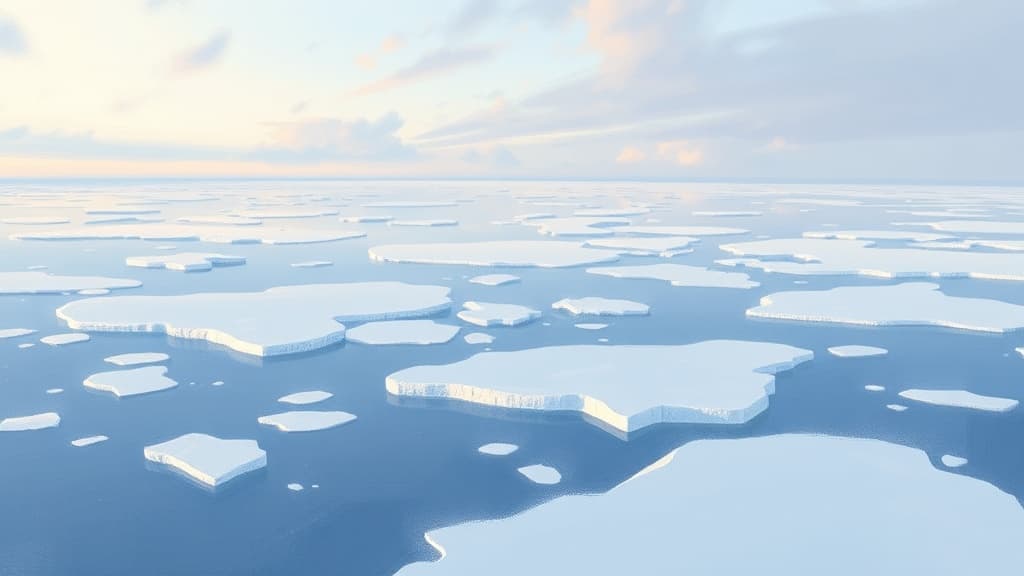
For the first time in recorded history, both the Barents Sea and Kara Sea are nearly ice-free during mid-winter, marking a concerning milestone for the Arctic, according to climate scientist Céline Heuzé from the University of Gothenburg. The overall ice cover is at a new low for this time of year, with just over 13 million square kilometers covered by at least 15% ice as of January 20, according to the National Snow and Ice Data Center.
Heuzé notes that the slow growth of new ice has been evident since autumn, particularly in regions like Hudson Bay, and highlights three main factors contributing to the rapid ice loss: warmer Arctic temperatures, elevated ocean temperatures, and a reduction in ice thickness. This situation raises safety concerns for researchers conducting measurements. A study indicated that the Arctic could experience its first ice-free day before 2030, which, while symbolically significant, underscores the alarming trends in Arctic climate change.

Comments