
Cory's Incinerator Expansion Faces Criticism Over Waste Management and Carbon Capture Viability
Cory's Belvedere incinerator expansion raises concerns about increased waste burning and ineffective carbon capture strategies. Reports indicate that projects in the UK have faced delays and failures, with no commercial-scale carbon capture achieved. Critics argue that incineration exacerbates waste issues and undermines recycling efforts. The proposed carbon capture and storage (CCS) solution faces skepticism regarding geological safety and long-term viability. Investment in CCS is seen as a distraction from more effective waste management strategies.
 Theia Market Signal Identification - AI Assisted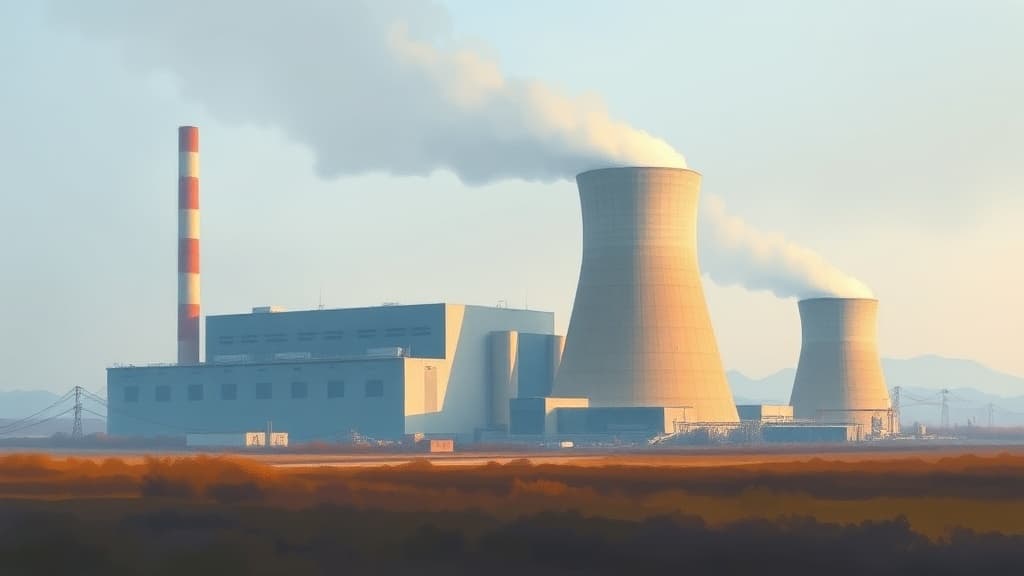
Cory's expansion of its Belvedere incinerator is criticized for potentially increasing waste burning while undermining recycling efforts. Reports from Ember highlight that UK carbon capture projects have faced numerous setbacks, with no success at commercial scale.
Incineration produces more CO2 per unit of electricity than coal, raising environmental concerns. Critics, including Zero Waste Europe, argue that CCS investments are high-risk distractions from effective waste reduction strategies.
The viability of capturing and storing CO2 under the North Sea is questioned, with concerns about geological stability and long-term safety. Cory's claimed electricity generation capacity appears overstated, with actual estimates suggesting it could power fewer homes than advertised. The project relies on government funding, raising concerns about prioritization of corporate profits over effective climate strategies.


Comments