
Delay in BP's Blue Hydrogen Plant Reflects Growing Land Use Conflicts in Renewable Energy and Digital Infrastructure
The postponement of BP’s blue hydrogen plant on Teesside underscores the intensifying land use conflicts between renewable energy initiatives and the increasing demand for digital infrastructure. The facility, intended to produce low carbon hydrogen, faces competition from a proposed data center on the same site. Both projects are deemed strategically important, with potential for significant job creation. The government's decision on the hydrogen plant has been delayed while local authorities have approved the data center, highlighting the complex interplay between energy ambitions and technological growth.
 Theia Market Signal Identification - AI Assisted
BP's blue hydrogen plant on Teesside, envisioned as a cornerstone of the UK’s low-carbon hydrogen economy, now finds itself mired in delays and conflict. This flagship initiative aims to produce hydrogen while capturing and storing carbon emissions, supporting the nation's net-zero aspirations. However, the chosen site at Teesworks Freeport, a significant area for industrial regeneration, is now at the center of a tug-of-war between BP and the South Tees Group, which is proposing a large data center for the same land.
This clash represents a broader dilemma faced by industrial hubs worldwide: the urgent need for cutting-edge technological infrastructure often stands in stark contrast to traditional energy projects. Both BP and South Tees Group assert that their respective ventures are crucial to the UK’s strategic priorities.
The data center promises substantial investments in the nation’s digital capacity, integral for advancing artificial intelligence across various sectors. Meanwhile, the blue hydrogen facility is positioned as a pivotal element in the UK’s strategy to develop a robust low-carbon hydrogen market.
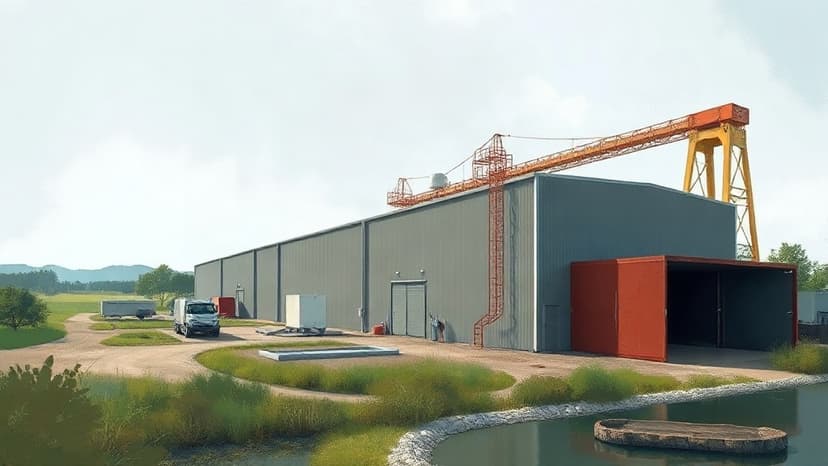
The engineering and infrastructural implications of this land conflict are significant. Blue hydrogen production mandates considerable space for complex processing units, carbon capture and storage systems, and connections to energy transport networks.
These spatial requirements render site configuration and proximity to existing carbon transport infrastructure critical for the viability of the hydrogen plant. Conversely, data centers, while less reliant on heavy industrial setups, necessitate a vast power supply, exceptional cooling capabilities, and extensive fiber optic connectivity. The high electricity consumption of data centers further complicates the landscape, particularly as the UK strives for an energy transition toward net-zero emissions.
Originally, the government was expected to make a decision regarding the hydrogen plant by August's end, but this has now been pushed to late October for further review. This delay follows the local planning authority's approval of the data center, despite the hydrogen project pending a national-level decision.
Should the Development Consent Order (DCO) be granted for the hydrogen plant, BP could enforce compulsory land purchase, potentially halting the data center's progress. Conversely, if the DCO is not approved, the focus will likely shift to advancing the data center project, illustrating the complex negotiations between the green energy aspirations and the demand for digital infrastructure.



Comments