
Europe Looks to Space Mining as a Solution for Energy Security Challenges
The European Union is urged to explore lunar mining as a means to secure its energy needs, according to a new report from the European Commission. The report highlights the fracturing global order and the diminishing reliability of non-EU countries for essential raw materials. It emphasizes the importance of metals like lithium, copper, and nickel, crucial for renewable energy technologies, which are predominantly sourced outside of the EU. The report advocates for the development of advanced mining technologies, including the prospect of mining the moon.
 Theia Market Signal Identification - AI Assisted
In light of escalating geopolitical instability, the European Union finds itself at a critical crossroads in its pursuit of energy security. A recent report from the European Commission presents a compelling case for looking beyond Earth to secure the necessary raw materials for the future. With the global order undergoing profound changes, the EU can no longer depend on traditional suppliers for essential resources, particularly those vital for low-carbon energy technologies.
The Commission's sixth annual strategic foresight report articulates the urgent need for a shift in strategy, emphasizing that metals like lithium, copper, and nickel—integral to renewable energy systems and electric vehicles—are increasingly sourced from outside the EU. This dependency presents significant risks as non-EU nations may become unreliable partners in an era marked by uncertainty.
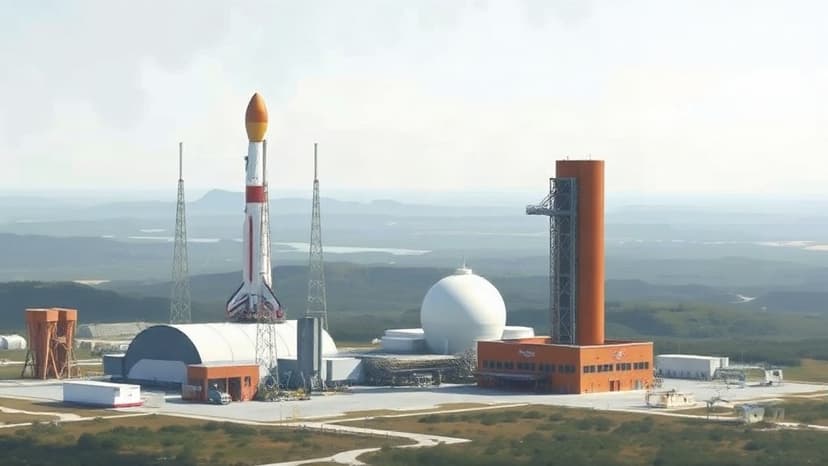
To address these challenges, the report advocates for the development of advanced mining technologies, with a particular focus on the moon. The potential for lunar mining represents not just a bold venture but a necessary evolution in securing Europe’s energy future. As the EU contemplates its next steps, the implications of space mining could redefine its approach to resource acquisition and contribute to greater sustainability and independence in energy production.

Comments