
Europe's CO2 Transport Infrastructure Expansion Required for CCUS by 2050
To achieve carbon capture goals by 2050, Europe needs 65 CO2 carriers and 33 ports, according to a recent report. This infrastructure is crucial for transporting captured emissions to offshore storage sites, with volumes projected to rise from 70 million tonnes per annum in 2030 to 320 million tonnes by 2050.
 Theia Market Signal Identification - AI Assisted
A recent study by Xodus for the Net Zero Technology Centre reveals that Europe will require a fleet of 65 CO2 carriers and 33 ports to support carbon capture, utilisation, and storage (CCUS) objectives by 2050. The volume of captured CO2 is expected to rise significantly, with projections of 320 million tonnes per annum by 2050, up from 70 million tonnes in 2030.
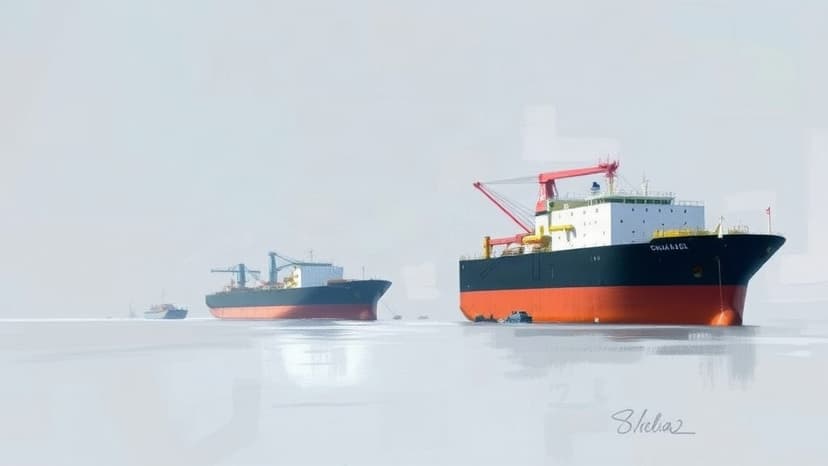
While pipelines will dominate CO2 transport, shipping is projected to play a critical supporting role, with volumes transported by sea expected to more than double to 79 million tonnes by 2050. The report identifies around 200 potential port hubs, with 60 strategically positioned for offshore storage operations.
Key ports include Rotterdam and Humberside. Investment in infrastructure and shipping capacity will be essential for creating a resilient CO2 transport network across Europe.


Comments