
Germany's Nuclear Fusion Prospects Amidst Energy Transition Challenges
Germany aims to pursue nuclear fusion as a long-term alternative to current nuclear power, despite challenges in technical implementation. The feasibility of fusion energy generation remains unproven, with significant hurdles in energy harvesting and fuel supply requiring attention.
 Theia Market Signal Identification - AI Assisted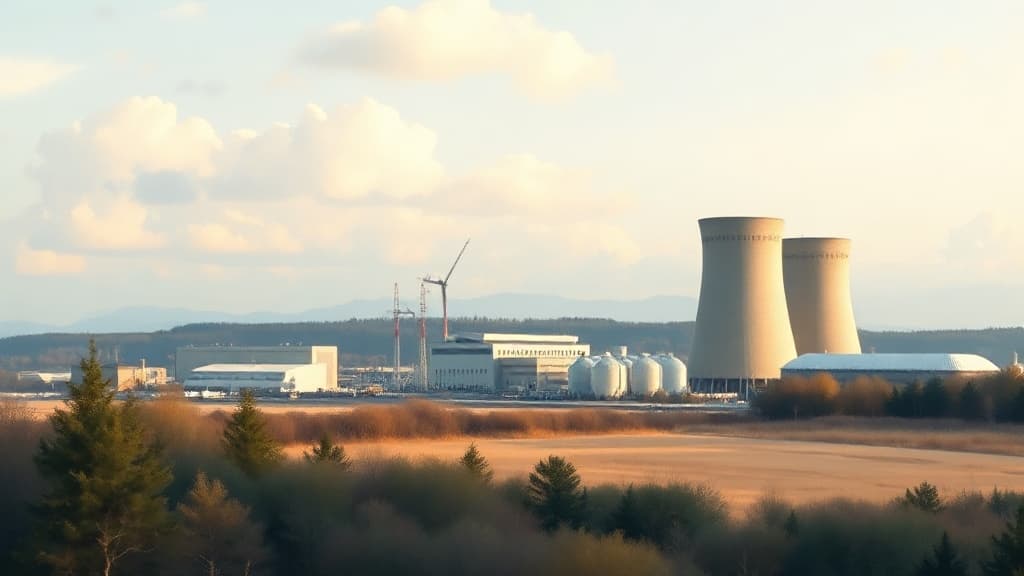
Germany's ambition to establish the world's first laser fusion power plant by the mid-2030s faces substantial technical challenges, including energy harvesting and tritium supply. Current fusion research, primarily focused on feasibility, lacks emphasis on practical energy conversion, which is crucial for viable power generation.
Proponents of fusion claim it produces fewer long-lived radioactive wastes; however, neutron activation of materials remains a concern. The development of advanced nuclear technologies, including Small Modular Reactors (SMRs), continues globally, with projects in the UK and Canada. A strategic collaboration between science, industry, and government is essential for accelerating fusion technology and addressing the energy crisis effectively.


Comments