
Ghana's Electricity Transmission Network Faces Risks Amid Doubling Demand, IES Reports
The Institute for Energy Security (IES) warns that Ghana's electricity transmission network is in a 'higher-risk zone' due to demand growth outpacing infrastructure investment. Peak demand is projected to rise from 1,933 MW in 2015 to 4,280 MW by 2025, with significant yearly increments. Deteriorating transmission capacity threatens energy security and Ghana's position as a regional power exporter. The IES recommends urgent infrastructure upgrades and innovative financing mechanisms to address these challenges.
 Theia Market Signal Identification - AI Assisted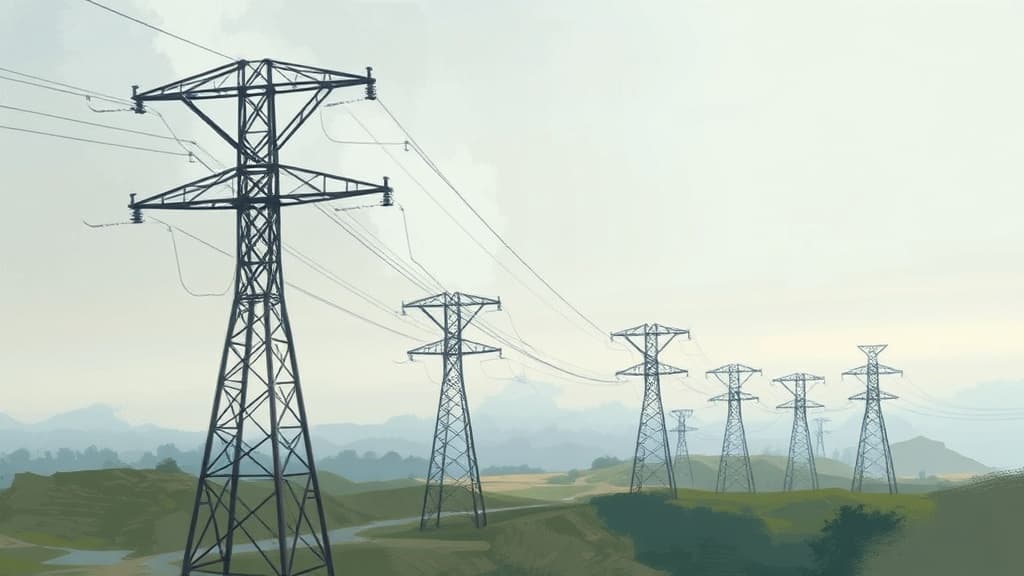
Ghana's national electricity transmission network is in a 'higher-risk zone,' according to the Institute for Energy Security (IES), due to a significant demand increase from approximately 1,933 MW in 2015 to an anticipated 4,280 MW in 2025. The IES attributes this structural growth to factors like economic expansion and demographic changes.
While generation capacity has kept pace, the transmission network has lagged, leading to congested corridors and reduced reliability. This situation threatens Ghana's ability to compete in the West African Power Pool. The IES calls for urgent upgrades and innovative financing mechanisms to enhance transmission capacity and efficiency, particularly given current fiscal constraints.


Comments