
Global Nuclear Energy Renewal: Prospects for Spent Fuel Recycling
Countries are reassessing spent fuel recycling due to rising uranium prices and evolving reactor technologies. A shift could enhance energy security and reduce long-term waste management challenges.
 Theia Market Signal Identification - AI Assisted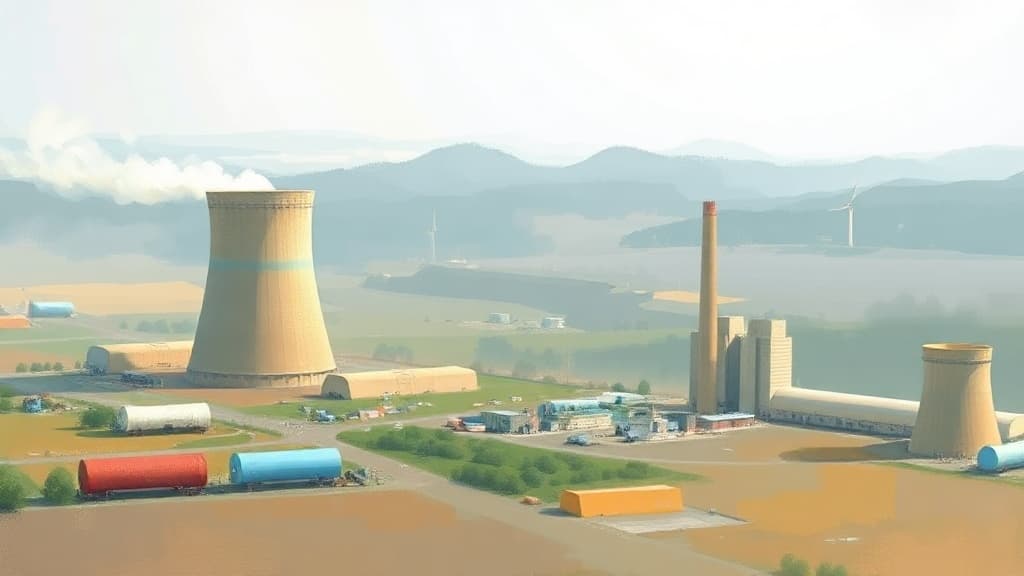
The global spent fuel recycling landscape remains limited, with only France systematically reprocessing spent fuel through its La Hague facility, which processes approximately 1,700 tons annually. Japan's Rokkasho facility, expected to start operations in 2026, has faced delays and is designed for 800 tons per year.
While France has historically invested in fast neutron reactors (FNRs) for a closed fuel cycle, economic challenges and geopolitical factors have hindered full implementation. Countries like the U.S. and U.K. previously engaged in reprocessing but shifted away due to safety and proliferation concerns.
New technologies, including pyro-processing, are being explored for better alignment with future reactor designs, particularly small modular and advanced reactors. The economic viability of recycling is increasingly influenced by fluctuating uranium prices and the need for sustainable waste management solutions.


Comments