
Global Shift to Renewables 40 Years After Chernobyl
The Chernobyl disaster prompted a major reassessment of energy sources, leading to a decline in nuclear energy use and a rise in renewables. As of April 2026, the share of electricity from renewables has surpassed coal, marking a pivotal shift in the global energy landscape.
 Theia Market Signal Identification - AI Assisted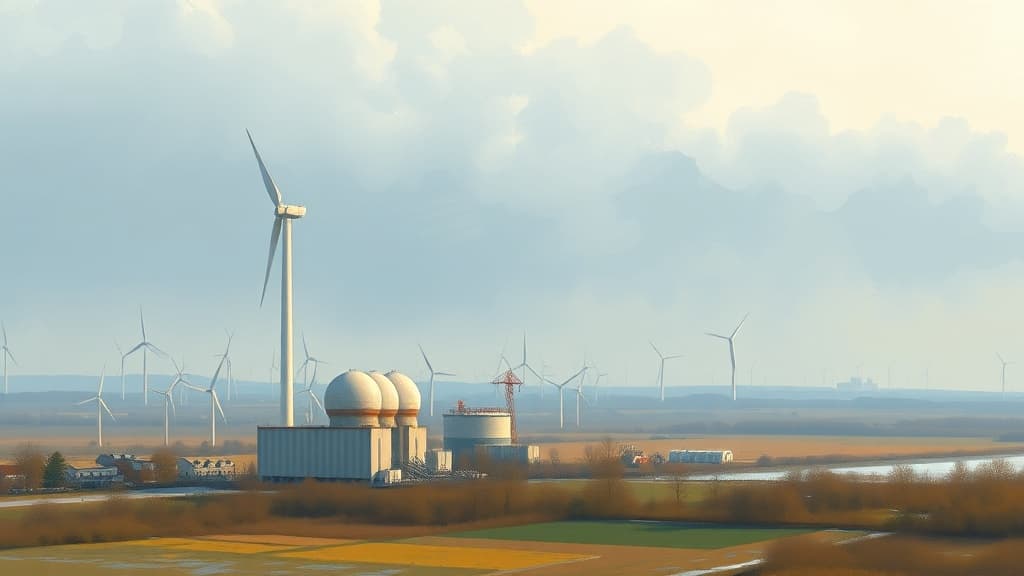
On April 26, 1986, the Chernobyl nuclear disaster released significant radioactive materials, impacting large parts of Europe and leading to a long-term rethink of nuclear energy. Today, the contribution of nuclear power to global electricity generation has decreased to approximately 10%, down from around 18% in the mid-1990s.
In contrast, renewable energy sources, especially wind and solar, have gained traction, with wind power now producing more electricity than nuclear energy. The ongoing conflict in Ukraine highlights the risks associated with nuclear energy and underscores the need for safer alternatives.
The global transition towards renewables is essential for energy security and sustainability, as they mitigate risks associated with centralized energy systems. The WWEA calls for stronger policies and community engagement to accelerate this shift.




Comments