
India's Steel SMEs Face Challenges from EU's Carbon Border Adjustment Mechanism
The EU's Carbon Border Adjustment Mechanism (CBAM), effective January 2026, presents significant challenges for India's steel SMEs. These enterprises, operating on thin margins and reliant on carbon-intensive processes, must adapt to new compliance demands to remain competitive in export supply chains.
 Theia Market Signal Identification - AI Assisted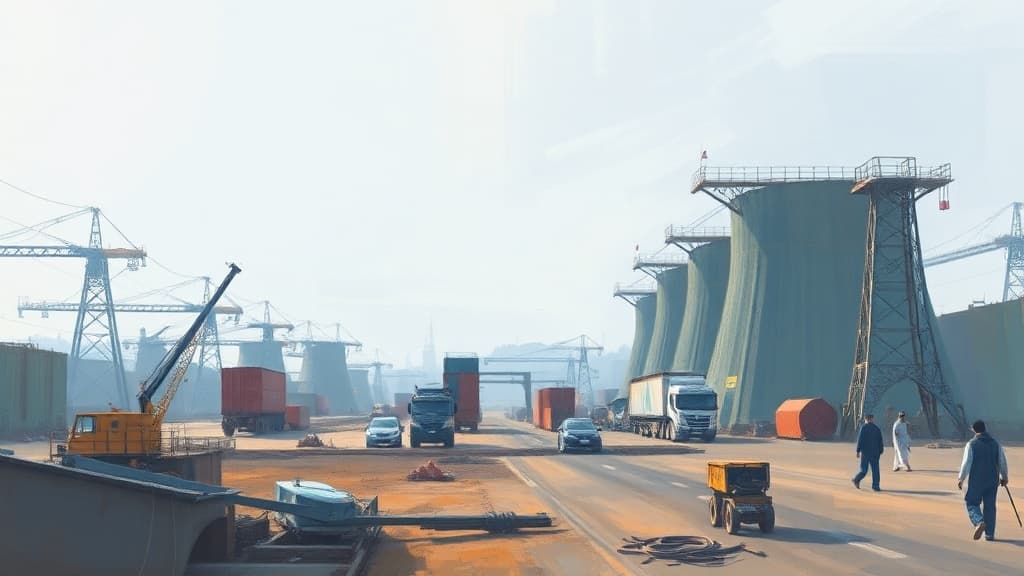
Starting January 2026, the EU's CBAM will impact India's steel SMEs, which face heightened vulnerability due to their carbon-intensive production methods. While large producers are investing in emissions tracking and cleaner technologies, SMEs lack resources for compliance, exposing them to indirect pressures as larger firms decarbonize supply chains.
Compliance costs disproportionately affect smaller firms, which often lack the necessary infrastructure for emissions tracking and verification. Furthermore, if exports to the EU decline, larger producers may shift focus to domestic markets, increasing competition for SMEs. Supporting modernization through cluster-level compliance assistance and tailored financing is essential for SMEs to navigate this transition effectively.


Comments