
Indonesia's HPAL Plants Face Sulfur Supply Threat Amid Middle East Maritime Disruption
Indonesia's high-pressure acid leaching (HPAL) refineries face operational risks due to a blockade in the Strait of Hormuz, which is critical for sulfur imports. Over 75% of Indonesia's sulfur came from the Middle East last year. The Indonesian Nickel Industry Forum warns that prolonged disruptions could halt production of mixed hydroxide precipitate (MHP), essential for battery-grade nickel used in electric vehicles. Indonesia has around 10 MHP projects with a capacity of 440,000 tonnes per year, primarily owned by Chinese firms in partnership with local producers.
 Theia Market Signal Identification - AI Assisted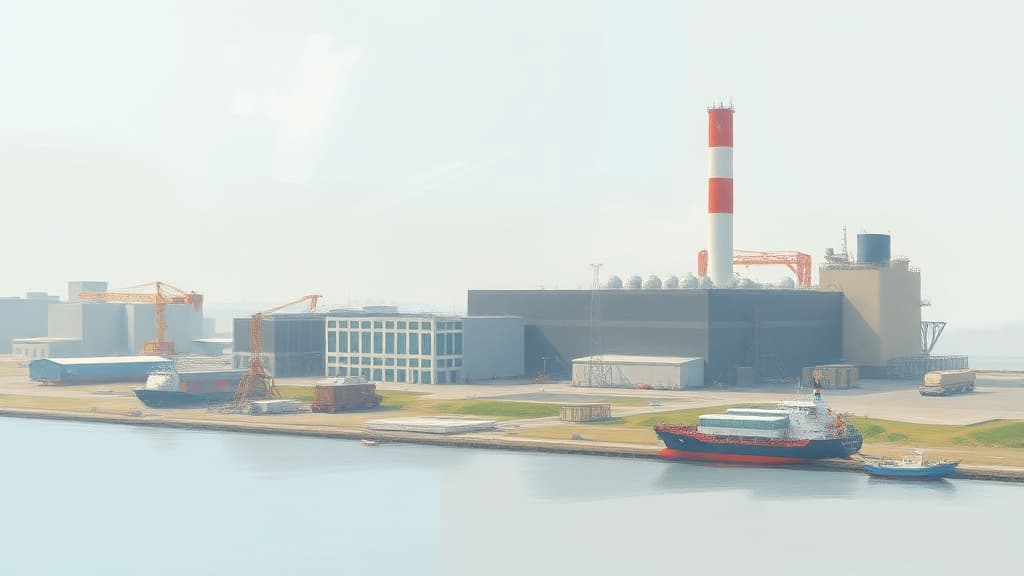
Indonesia's HPAL refineries are threatened by maritime disruptions in the Middle East, impacting sulfur shipments essential for production. Last year, over 75% of Indonesia's sulfur imports were from this region, mostly via the Strait of Hormuz, which is currently facing navigation issues.
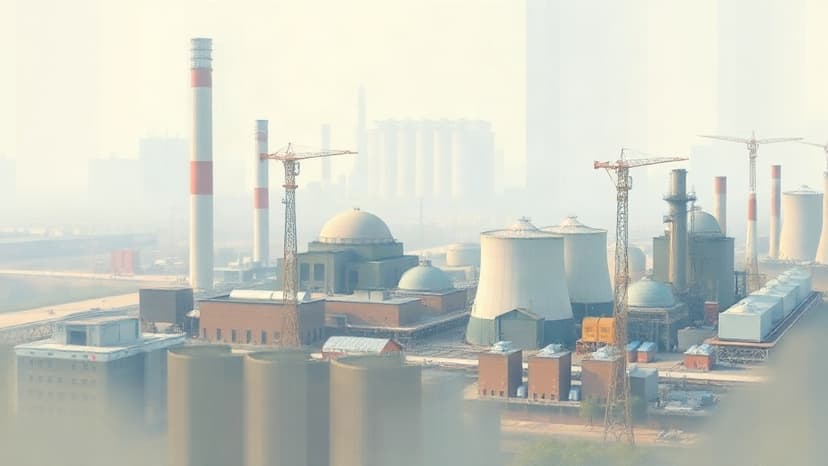
The Indonesian Nickel Industry Forum warns that continued disruptions could paralyze HPAL operations, crucial for producing MHP—a key material for battery-grade nickel in electric vehicles. Indonesia operates approximately 10 MHP projects with a capacity of 440,000 tonnes of nickel per year, mainly owned by Chinese companies and local partners.


Comments