
King's College London Study Finds Space-Based Solar Power Could Meet 80% of Europe's Energy Needs by 2050
A study by King's College London suggests that space-based solar power (SBSP) could reduce Europe's ground-based renewable energy needs by 80% by 2050. SBSP systems utilize large satellites in high Earth orbit to collect solar energy and transmit it back to Earth. A UK government study indicates small-scale SBSP could compete with conventional electricity sources by 2040. However, the technology's deployment will require significant investment in research and development, estimated at €15.8 billion, and faces challenges related to cost, safety, and environmental impact.
 Theia Market Signal Identification - AI Assisted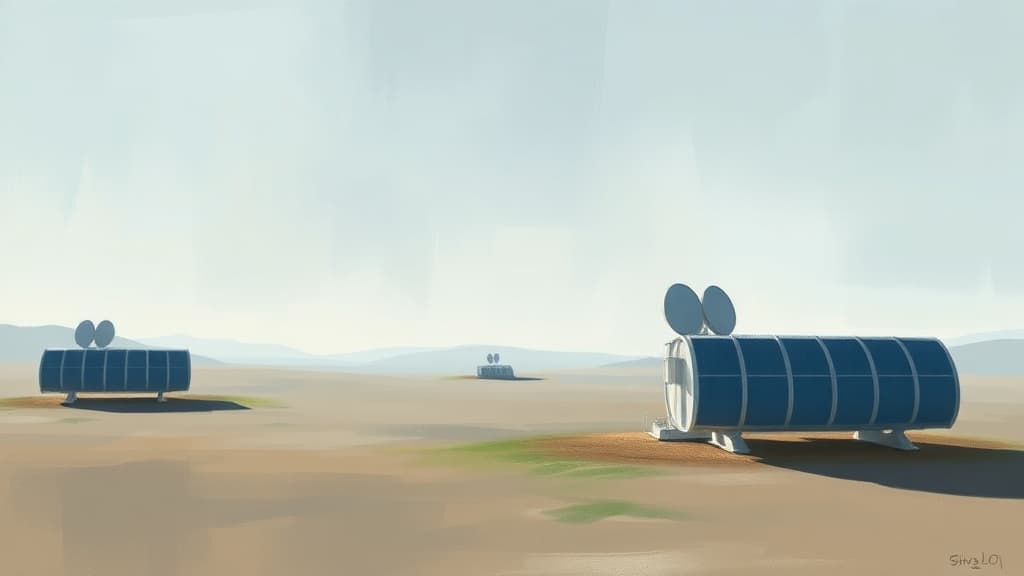
Research from King's College London indicates that space-based solar power (SBSP) could cut Europe's reliance on ground-based renewable energy by up to 80% by 2050. SBSP involves large satellites in high Earth orbit that collect solar energy and transmit it to a secure point on Earth, where it is converted to electricity.
A UK government report suggests SBSP could become cost-competitive by 2040. Initial estimates for the technology's development stand at €15.8 billion. Launch costs have significantly decreased, contributing to economic feasibility. However, concerns over environmental impact, safety risks, and the potential for orbital debris remain critical issues.

Comments