
NASA Advances Lithium Engine Tech for Future Mars Missions Amidst Competitive Space Race
NASA is testing a new lithium engine that promises significant reductions in travel time for crewed missions to Mars. This technological advancement is critical as the U.S. competes with China, which has made notable progress in its lunar exploration plans.
 Theia Market Signal Identification - AI Assisted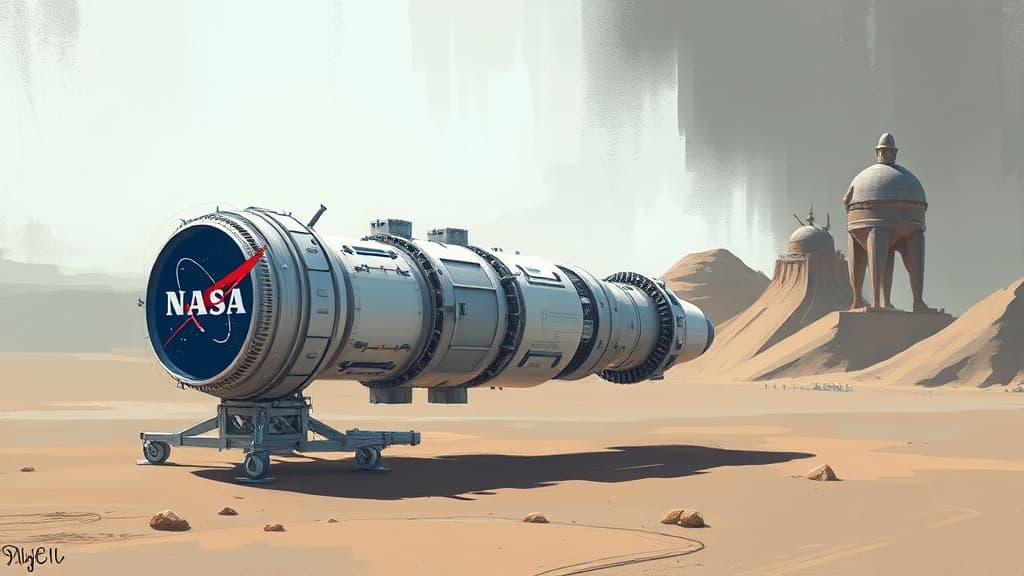
NASA is currently developing a lithium-based engine, aiming to cut travel duration for manned missions to Mars. Tests conducted on February 24 indicated substantial power levels, achieving 120 kilowatts and temperatures of 2,800 degrees Celsius, with potential future targets reaching 1 megawatt.
This engine could reduce fuel consumption by up to 90% compared to traditional chemical propulsion. Concurrently, China is advancing its lunar program, including plans for an unmanned research base by 2024.
The competitive landscape necessitates that the U.S. refocuses on long-term lunar infrastructure to maintain leadership in space exploration. The urgency to enhance propulsion capabilities for Mars is underscored by the need to counter China's aggressive space ambitions.




Comments