
NASA's SPARCS CubeSat to Launch from Vandenberg for Stellar Observation
NASA's SPARCS CubeSat, a small telescope designed for stellar observation, is set to launch from Vandenberg Space Force Base aboard a SpaceX Falcon 9 rocket. This mission will focus on studying flares and starspot activity of M- and K-type stars, which are known to host the majority of exoplanets in the Milky Way, using ultraviolet data to understand the impact of stellar flares on planetary atmospheres. Developed with significant input from Arizona State University students, SPARCS represents the first effort to conduct long-duration ultraviolet observations of red dwarf stars.
 Theia Market Signal Identification - AI Assisted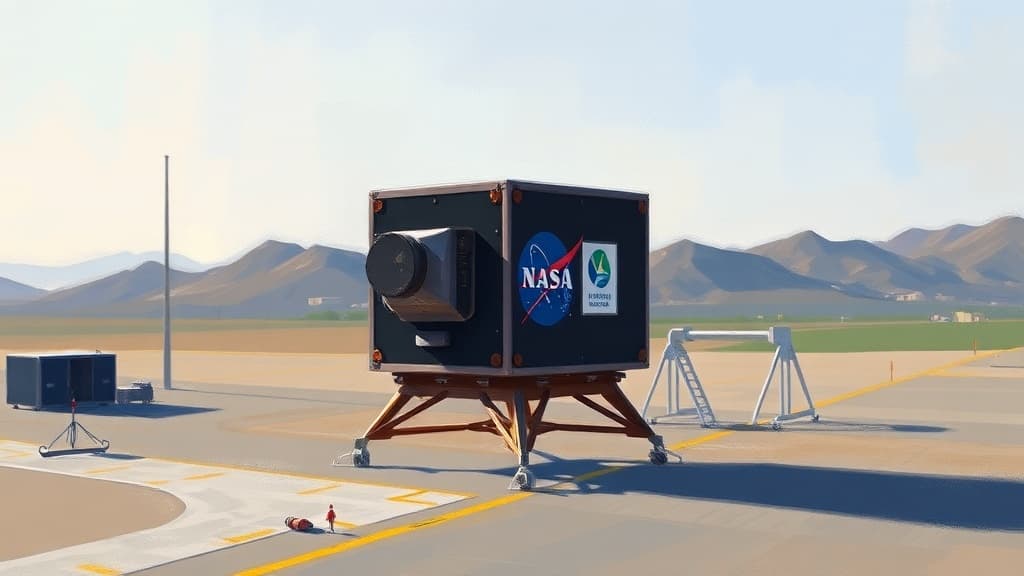
The Star Planet Activity Research CubeSat (SPARCS), a small telescope the size of a cereal box, is at Vandenberg Space Force Base in California for launch preparations on a SpaceX Falcon 9 rocket. This NASA-funded mission aims to study flares and starspot activity of M- and K-type stars, which host most of the exoplanets in the Milky Way.
SPARCS will collect ultraviolet wavelengths data to model how stellar flares can affect planetary atmospheres. ASU played a key role in developing the spacecraft, with contributions from students gaining hands-on experience. SPARCS, selected by NASA's Astrophysics Research and Analysis program, will be the first mission focused on long-duration ultraviolet observations of red dwarf stars, collaborating with NASA's Jet Propulsion Laboratory, which built the SPARCam camera.



Comments