
NATO Nations Enhance Drone Interception Capabilities with BLAZE and Hornet Systems
Latvia, Estonia, and Belgium have commenced deployment of BLAZE interceptor drones, marking a significant advancement in NATO's counter-drone strategy. The BLAZE User Club aims to foster collaboration among operators, enhancing the development of this autonomous system amid increasing drone threats in Europe.
 Theia Market Signal Identification - AI Assisted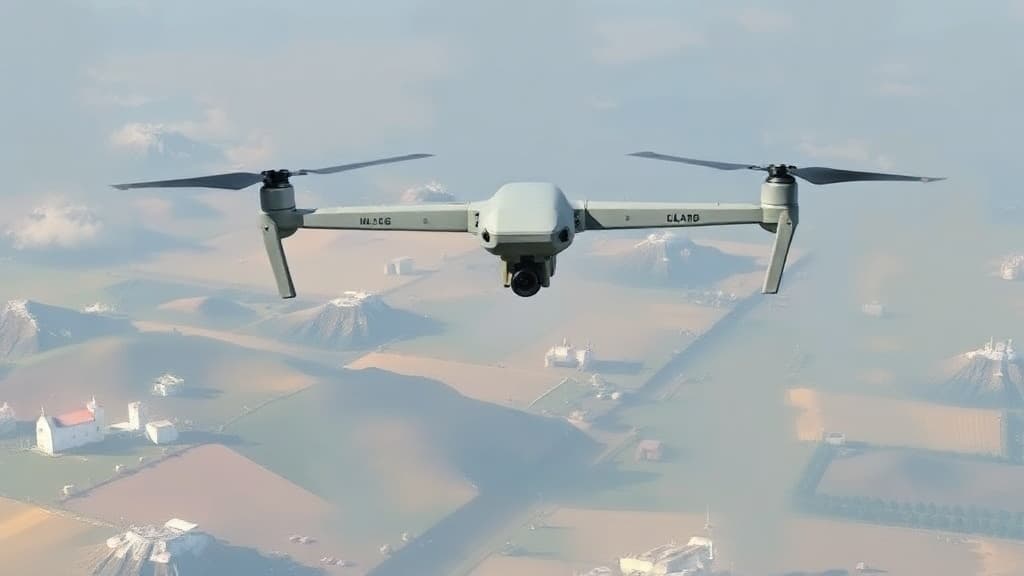
Latvia, Estonia, and Belgium began receiving BLAZE interceptor drones in January 2026, with additional nations in procurement discussions. The BLAZE system is designed specifically to target and destroy hostile drones, utilizing a man-portable, radar-guided platform that autonomously engages threats while allowing human oversight for final decisions.
The first User Club meeting in Latvia facilitated feedback between operators and the manufacturer, Origin Robotics, enabling continuous software updates to evolve the system without requiring new hardware purchases. Concurrently, Finland is evaluating the Hornet Block 1 interceptor, which operates effectively in GNSS-denied environments and targets Group 3 drones and loitering munitions.
The procurement of both systems reflects NATO's response to the proliferation of small, lethal drones amid regional security tensions. The success of these systems will depend on their operational performance and the robustness of the feedback loops established between users and developers.




Comments