
New Jersey's $2B Investment in Battery Energy Storage Systems Aims for 2,000 MW by 2030
New Jersey is allocating $2 billion to expand its battery energy storage systems (BESS) capacity to 2,000 MW by 2030. This initiative is critical as demand for renewable energy storage rises, underscoring the importance of BESS in stabilizing the grid and enhancing the value of renewable projects amid increasing challenges in permitting and community acceptance.
 Theia Market Signal Identification - AI Assisted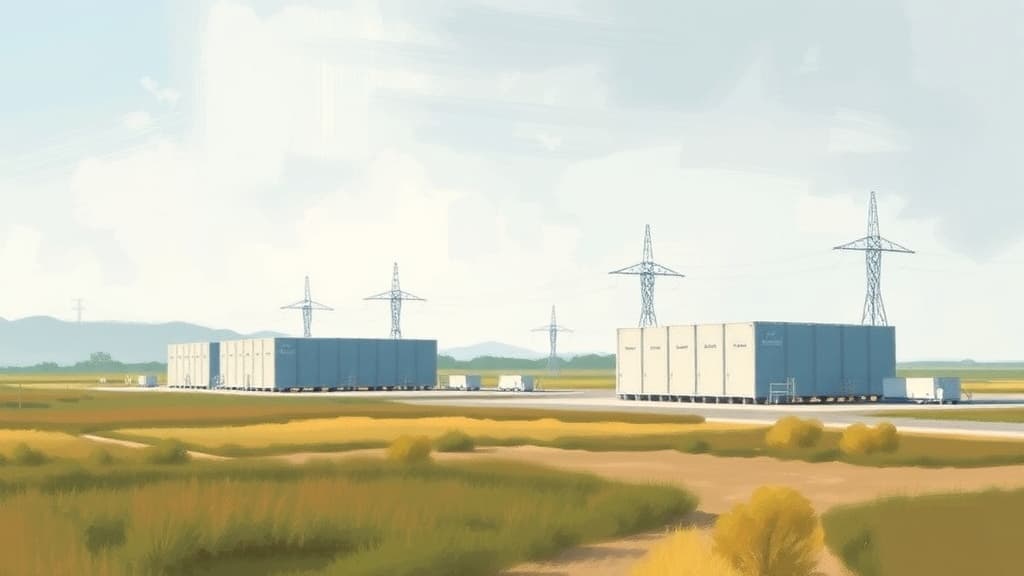
New Jersey is advancing its energy storage goals with a $2 billion investment aimed at achieving 2,000 MW of battery energy storage capacity by 2030. The New Jersey Board of Public Utilities is managing this funding, with initial awards projected to yield 355 MW, and an additional 645 MW planned for future allocation.
Nationwide, utility-scale battery storage capacity rose by 66% in 2024 and 30% in 2025, demonstrating a significant trend toward BESS adoption. However, projects face regulatory hurdles, community skepticism, and safety concerns, necessitating thorough public education and effective engagement strategies. Addressing safety, environmental, and community concerns is essential to facilitate the successful deployment of these systems and ensure optimal operational performance.




Comments