
Newfoundland and Labrador Approves Increased GHG Emissions for Mining and Oil Projects
The government of Newfoundland and Labrador has authorized a rise in greenhouse gas emissions linked to a nickel mine and Cenovus's West White Rose oil project. The new platform is expected to increase emissions by approximately 21%, equivalent to around 100,000 metric tons of CO₂, impacting regional climate efforts significantly.
 Theia Market Signal Identification - AI Assisted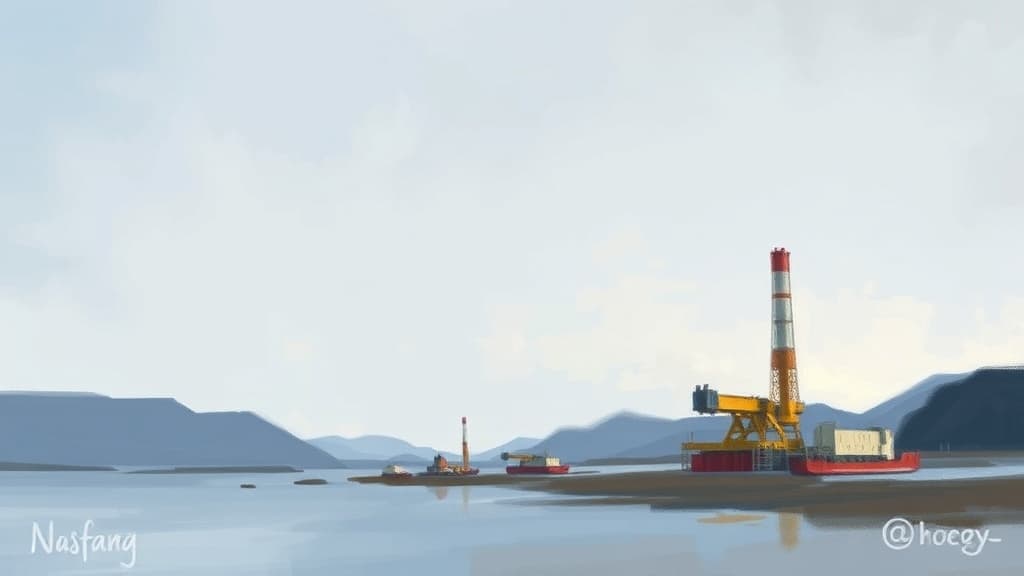
The Newfoundland and Labrador government has sanctioned increased greenhouse gas emissions from Cenovus's West White Rose project and Vale's nickel mine in Voisey's Bay. Cenovus estimates emissions from West White Rose will rise by 21%, approximately 100,000 metric tons of CO₂, comparable to emissions from over 23,300 vehicles annually.
The emissions from Voisey's Bay have doubled, exceeding 180,000 metric tons of CO₂ equivalent. These developments come amid growing concerns about climate change and its exacerbation of extreme weather events in Canada, which have led to significant insured losses. The increase in emissions raises questions regarding the province's ability to meet its climate targets, especially given the financial penalties associated with failing to comply with emission reduction benchmarks.


Comments