
Pakistan's LNG Framework Faces Challenges Amid Global Supply Disruptions
Recent global supply disruptions and contractual challenges have highlighted weaknesses in Pakistan's LNG framework. The country is bound by rigid 'take-or-pay' agreements, which burden public finances while private terminal operators secure profits. Pakistan's LNG agreements lack flexibility, with limited options for cargo cancellation or supplier switching. The need for a comprehensive review of all LNG contracts is emphasized to ensure fair risk-sharing and effective force majeure provisions. Future strategies may include adopting models of structured competition similar to China's energy framework.
 Theia Market Signal Identification - AI Assisted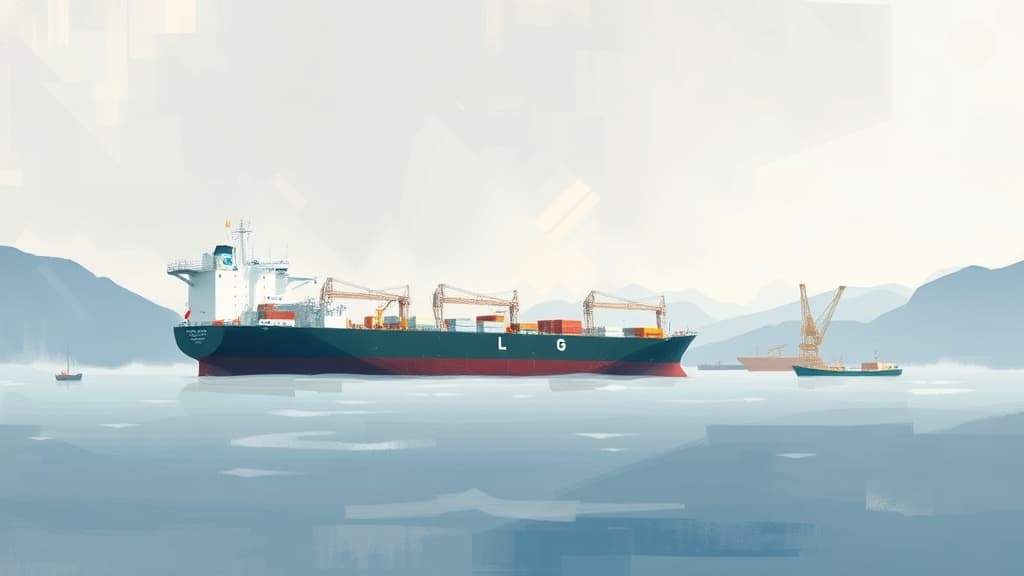
Pakistan's LNG framework is under strain due to global supply disruptions, including QatarEnergy's delivery suspension. The country operates under 'take-or-pay' agreements, which impose financial burdens irrespective of actual usage.
This structure contrasts with more flexible international practices. Recent agreements have shifted risk to the public and reduced linkage between terminal utilization and payments. Force majeure clauses are not effectively implemented, leaving Pakistan vulnerable during crises.
The government is urged to review all LNG contracts to promote risk-sharing and flexibility. A model of structured competition akin to China's energy sector is suggested to improve procurement efficiency while maintaining national interests.



Comments