
Partnership Aims to Transform Food Waste into Renewable Energy in Sussex
TJ Waste Recycling and Eco Sustainable Solutions have formed a partnership to convert food waste from Sussex into renewable energy. The initiative will collect food waste from local businesses and authorities for processing at Eco's anaerobic digestion facility. This collaboration aims to enhance green energy production and comply with new recycling legislation under the Environment Act 2020. The facility can handle over 50,000 tonnes of food waste annually, generating sufficient biomethane to power approximately 5,300 homes.
 Theia Market Signal Identification - AI Assisted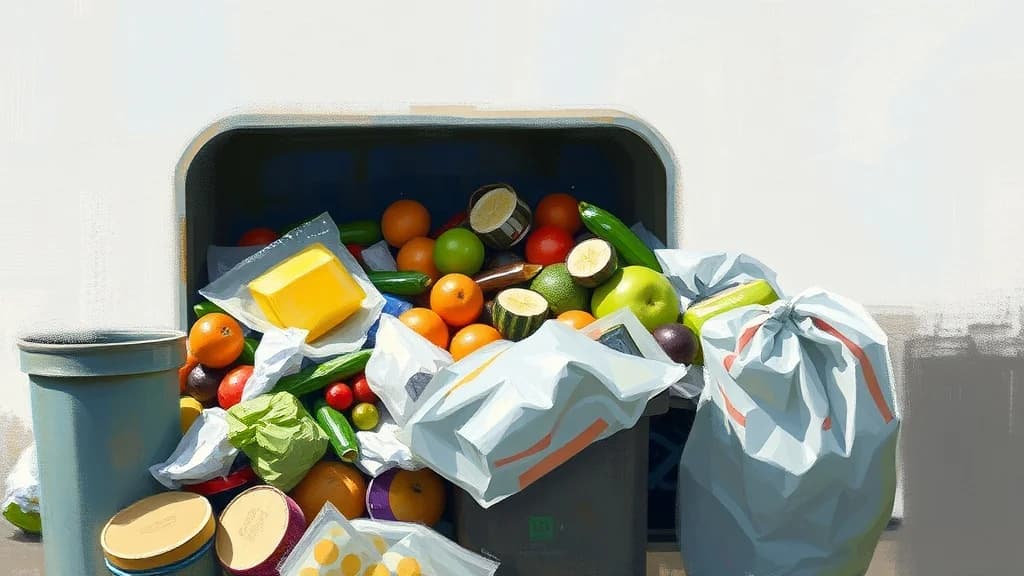
In a significant move towards sustainable energy production, Hampshire-based TJ Waste Recycling has joined forces with Eco Sustainable Solutions of Dorset to convert food waste from Sussex into renewable energy. This collaboration is designed to tackle the staggering 10.7 million tonnes of food waste generated annually in the UK, with households contributing a considerable six million tonnes.
Under this partnership, food waste collected from local businesses and authorities will be transported to Eco's anaerobic digestion facility in Parley, near Bournemouth Airport. The facility is equipped to process over 50,000 tonnes of food waste each year, generating around 60 GWh of biomethane—enough energy to supply 5,300 medium-sized homes. This initiative not only aims to increase the green power generated from food waste along the South Coast but also aligns with the new recycling requirements introduced by the Environment Act 2020, which mandates that eligible businesses and households separate their food waste for collection.
Luke Haskell, a director at TJ Waste Recycling, emphasized the importance of this partnership in enhancing sustainable resource management. Meanwhile, Peter Hardy, sales director at Eco Sustainable Solutions, noted that efficient food waste recycling offers substantial benefits for local businesses, the environment, and long-term sustainability goals.
The urgency of this initiative is underscored by data from the Waste and Resources Action Programme (WRAP), revealing that food waste generated approximately 18 million tonnes of CO2 equivalent emissions in 2021 and 2022. The environmental impact is particularly pronounced with meat and fish waste, which produces the highest greenhouse gas emissions from households, followed by other food items such as fresh vegetables and dairy products.
As UK households discard alarming amounts of food daily—1,300 tonnes of potatoes, 190 tonnes of carrots, and 960 tonnes of bread—the need for effective waste management solutions has never been clearer. Eco Sustainable Solutions is already making strides with another anaerobic digestion facility in Piddlehinton, which has successfully prevented over 278,000 tonnes of carbon emissions and generated 106,000 MWh of renewable electricity.
This partnership marks a crucial step towards a more sustainable future, showcasing how collaborative efforts can transform waste into valuable resources while addressing the pressing issues of climate change and resource management.




Comments