
Pilotless MiG-23 Flogger Incident: Cold War Aerial Mystery
On July 4, 1989, a Soviet MiG-23 flew unmanned for 900 kilometers before crashing in Belgium, resulting in a fatality. This incident underscores the importance of interception protocols and aircraft capabilities during the Cold War era.
 Theia Market Signal Identification - AI Assisted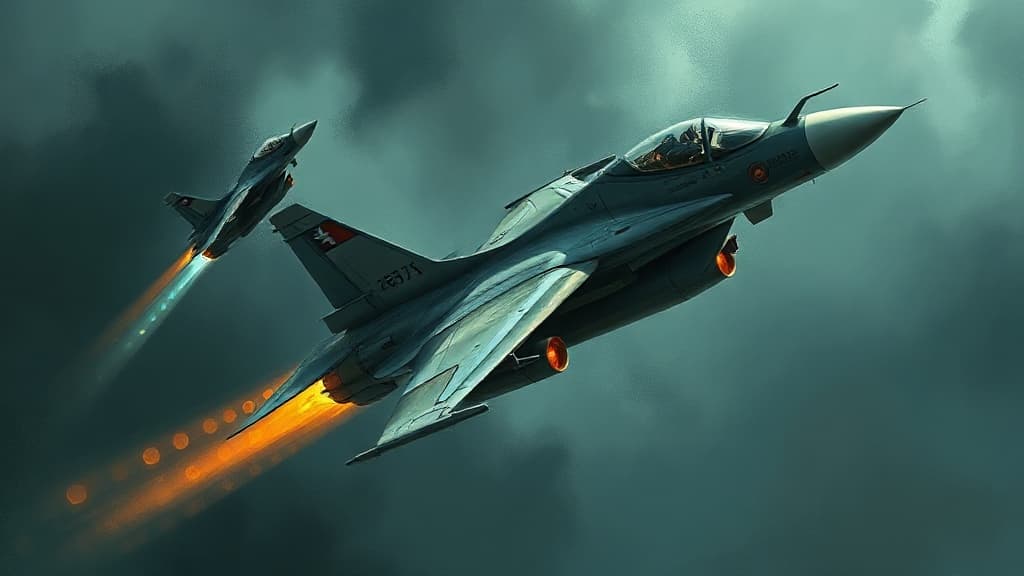
On July 4, 1989, a MiG-23 Flogger, piloted by Col. Nikolai Skuridin, lost power after an afterburner failure during a training mission, leading to his ejection. The aircraft flew unmanned for approximately 900 kilometers, reaching altitudes up to 39,500 feet before crashing in Belgium and killing an 18-year-old boy.
American F-15s were scrambled to intercept the aircraft, discovering it unarmed and without a pilot, a situation that prompted discussions on protocols for handling such incidents. The MiG-23, a third-generation swing-wing fighter, was produced extensively by the Soviet Union and widely adopted by various air forces despite operational issues. This incident highlights the challenges of aerial interception and the consequences of pilot error in Cold War aviation.




Comments