
Pinellas Suncoast Transit Authority Transforms Bus Network to Enhance Service and Connectivity
The Pinellas Suncoast Transit Authority is set to revamp its bus network for the first time since 1984, introducing more night and weekend services to accommodate shifting commute patterns. The changes aim to improve connectivity and reduce transfer times while keeping fares unchanged. Set to launch on October 26, the initiative is cost neutral, backed by two to three years of data analysis on travel patterns. Additionally, new routes will enhance connections to key locations, and a high-frequency route called Spark will begin operations the following day.
 Theia Market Signal Identification - AI Assisted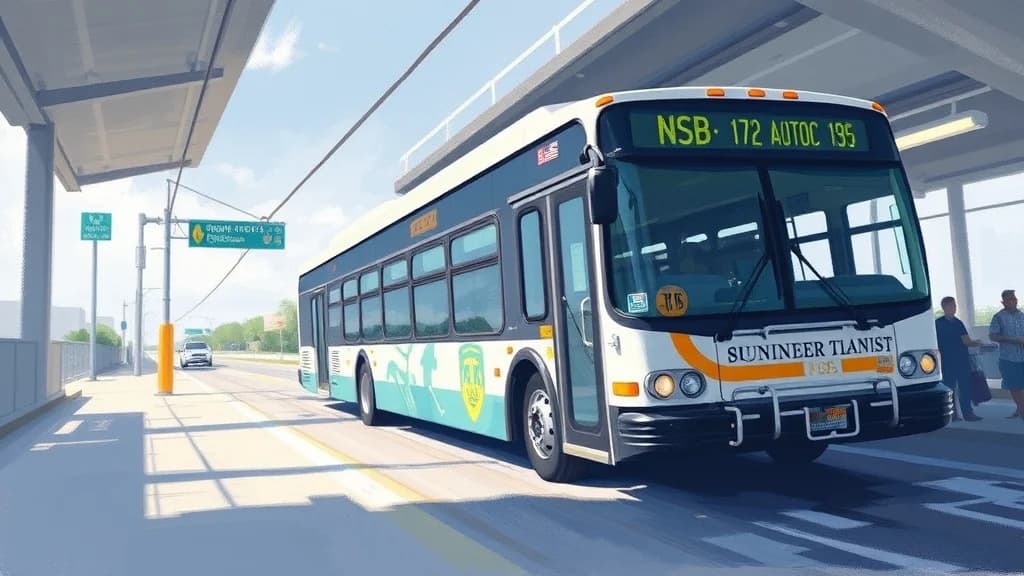
In a significant move to modernize public transportation, the Pinellas Suncoast Transit Authority (PSTA) is overhauling its countywide bus network for the first time since its establishment in 1984. This ambitious initiative, launching on October 26, aims to better align services with evolving transit trends and commuter needs, particularly in the wake of the pandemic. The revamped routes will introduce expanded night and weekend services, reflecting a shift in commuting patterns as many residents now work remotely.
Nicole Dufva, PSTA's planning director, emphasized that this overhaul is cost neutral and will operate within the agency's constrained budget. The agency has meticulously gathered data over the past two to three years, analyzing travel patterns and service utilization across Pinellas County. With weekend ridership rebounding to pre-pandemic levels, the authority recognizes the need to adapt weekday services that no longer attract high demand.
By streamlining routes to be more direct and corridor-based—minimizing deviations—PSTA aims to enhance connectivity and reduce transfer times, a critical concern that often discourages public transit use. The new structure will significantly improve access to key hubs in downtown St. Petersburg, merging multiple routes to decrease walking distances between stations.
In addition to the comprehensive network changes, PSTA is also excited to announce the launch of a high-frequency route named Spark, which will operate along 34th Street South in St. Petersburg. This service, which connects Eckerd College to Grand Central Station, will run from 5 a.m. to midnight, embodying PSTA's commitment to increasing service frequency without dedicated lanes.
Dufva notes that the authority is actively exploring potential corridors for similar premium services, with a focus on expanding high-frequency routes, including a proposed link between downtown St. Petersburg and Tampa International Airport. The new express lanes on the forthcoming Howard Frankland Bridge will facilitate this connection when construction completes in early 2026.
PSTA's efforts to gather public feedback have been ongoing for over two years and will continue as the agency prepares to launch the Connected Community Bus Network. Outreach initiatives will take place across various platforms, ensuring that the community's voice remains central to the process.
The governing board of PSTA unanimously approved this transformative plan in March, underscoring the agency's innovative approach to optimizing limited resources while enhancing service delivery. As PSTA gears up for this substantial reorganization, Dufva expressed enthusiasm for the potential benefits that high-frequency services will bring to the community. In a notable commitment to fiscal responsibility, PSTA also plans to lower its millage rate for the second consecutive year, ensuring that taxpayer contributions are utilized efficiently to deliver the best possible service.




Comments