
Solar Microgrids Transform Remote Amazon Communities in Brazil
The integration of solar panels and batteries is shifting energy dynamics in Brazil's Amazon, reducing reliance on diesel. This transition is crucial for improving energy access, lowering emissions, and supporting local economies by enhancing food preservation and tourism.
 Theia Market Signal Identification - AI Assisted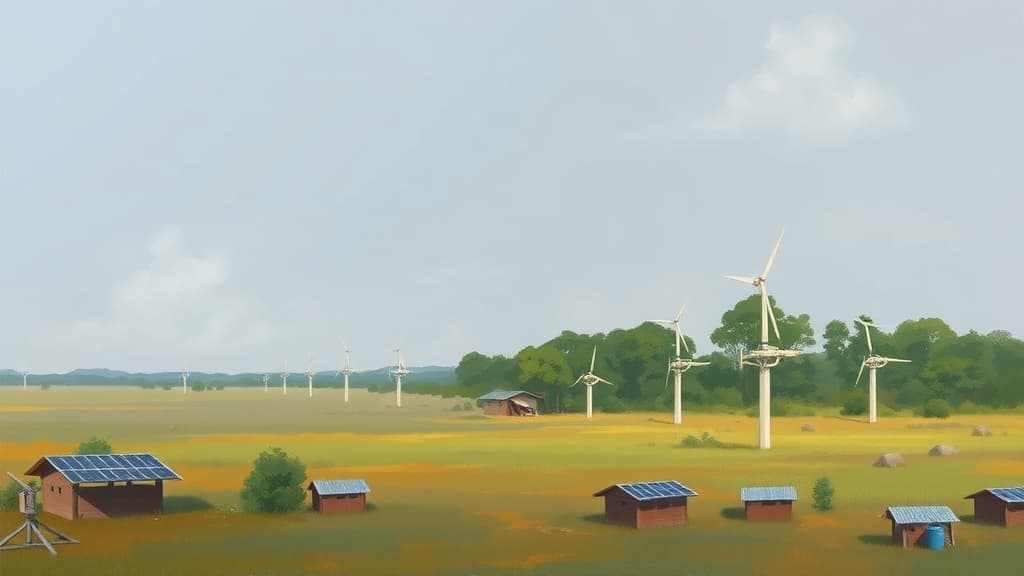
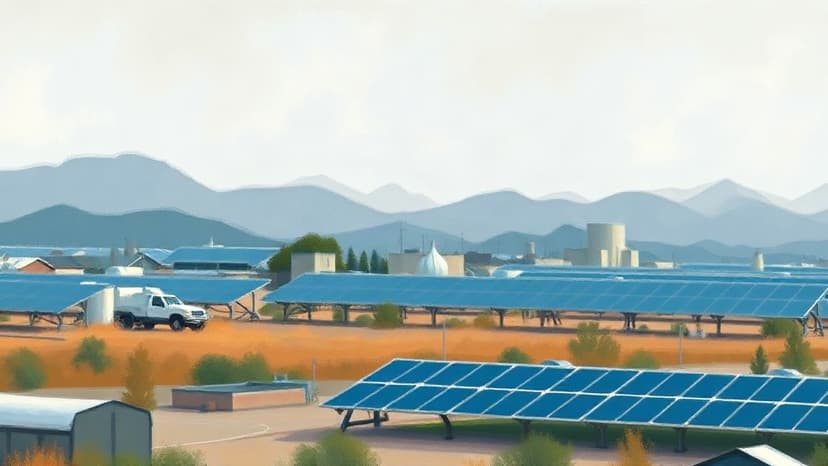
Brazil is investing in solar energy and battery systems to replace diesel in remote Amazon communities. The Ministry of Mines and Energy approved 29 solar projects to serve 650,000 people, aiming to avoid 800,000 metric tons of greenhouse gas emissions by 2036, with projected subsidy savings of $171 million.
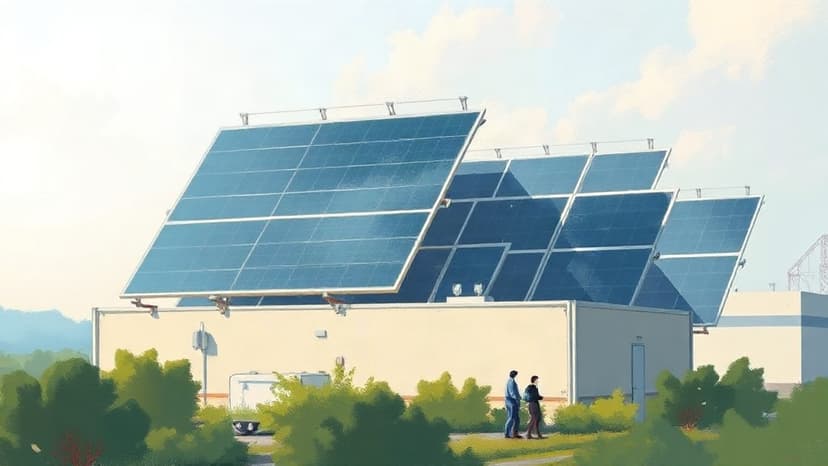
In areas like Três Unidos, a new microgrid has cut diesel consumption by around 1,800 liters monthly, increasing local tourism occupancy by 70%. Despite these advancements, expansion is hindered by inadequate financing models for microgrids, which require grants and pilot projects. Addressing these financial barriers is essential for broader adoption and economic growth in isolated communities.

Comments