
Study Links Health Risks in Bananas to Mining Waste Contamination in Brazil's Doce River Region
A study reveals health risks for children under 6 from bananas grown near the Doce River, contaminated by mining waste from the 2015 Fundão dam collapse. Researchers from Brazil and Spain found elevated levels of lead and cadmium in bananas, exceeding safety limits. While adults face low risk, chronic exposure for children may result in neurodevelopmental issues. The study highlights ongoing environmental and health impacts from the disaster, which released substantial mining waste and caused significant ecological damage.
 Theia Market Signal Identification - AI Assisted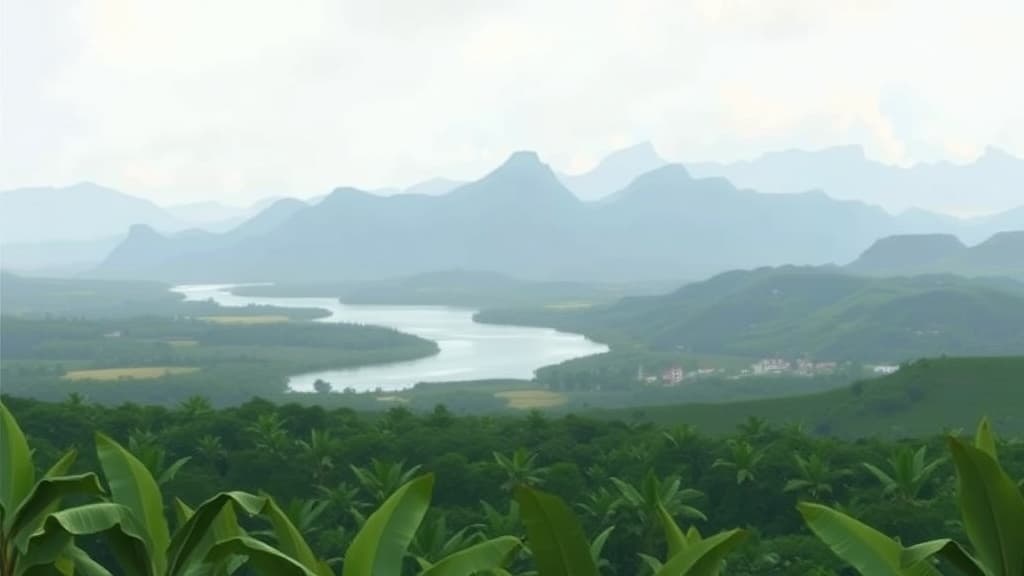
Researchers from Brazil and Spain report health risks for children under 6 from bananas grown near the Doce River due to contamination from the 2015 Fundão dam collapse. The study found bananas, cassava, and cocoa pulp in contaminated soil had elevated levels of lead, cadmium, copper, chromium, and nickel.
Bananas specifically showed a total risk index above 1 for children, indicating potential health concerns. Adults showed low risk. The disaster, deemed Brazil's worst environmental incident, released over 50 million cubic meters of mining waste, leading to extensive ecological damage. Ongoing monitoring is crucial for food safety in affected regions.


Comments