
Supply Chain Compliance Crisis: Forced Labor and Emissions Regulations Impacting Automakers
The recent discovery of forced labor components in Mini Coopers illustrates critical supply chain vulnerabilities. With new regulations intensifying scrutiny, automakers face operational disruptions and financial risks, necessitating integrated risk management across compliance, ESG, and operational teams.
 Theia Market Signal Identification - AI Assisted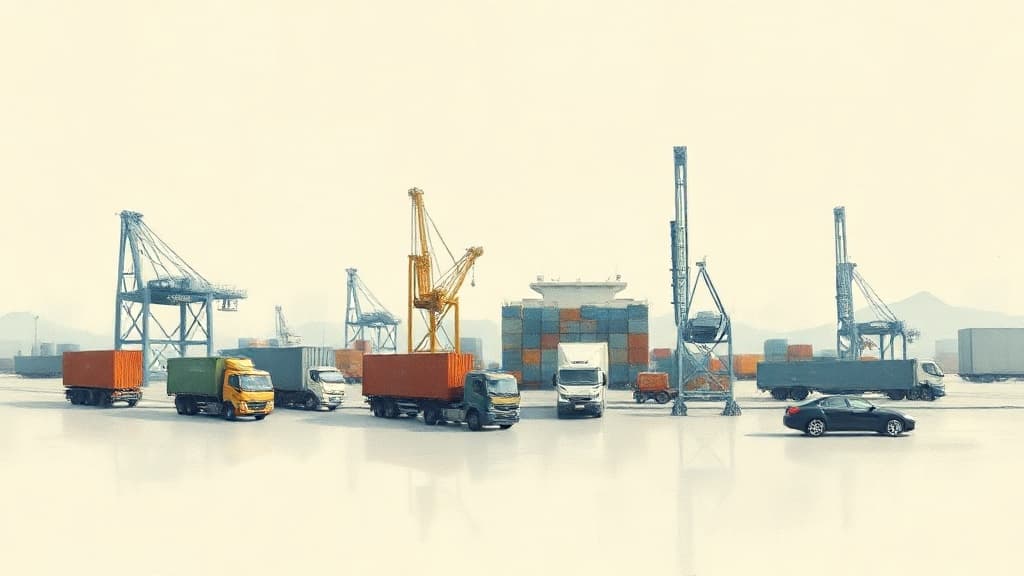
The U.S. Customs and Border Protection has assessed over 18,000 shipments valued at $3.81 billion under the Uyghur Forced Labor Prevention Act since June 2022. Automakers, including BMW and Volkswagen, faced scrutiny when 8,000 Mini Coopers containing banned components entered the U.S. due to a lack of visibility into their supply chains.
The EU's Carbon Border Adjustment Mechanism, effective January 1, 2026, and human rights directives will further complicate compliance. Companies must integrate risk management, compliance, and ESG functions to enhance visibility across supply chains. Failure to adapt could lead to significant inventory losses and increased operational costs as regulations tighten.



Comments