
Taiwan's Indigenous Submarine Program Faces Major Delays and Strategic Concerns
Taiwan's Hai Kun submarine program is significantly delayed, with persistent technical issues and budget overruns. The program's costs and operational limitations raise questions about its viability against China's naval capabilities, suggesting a shift to asymmetric defense strategies may be necessary.
 Theia Market Signal Identification - AI Assisted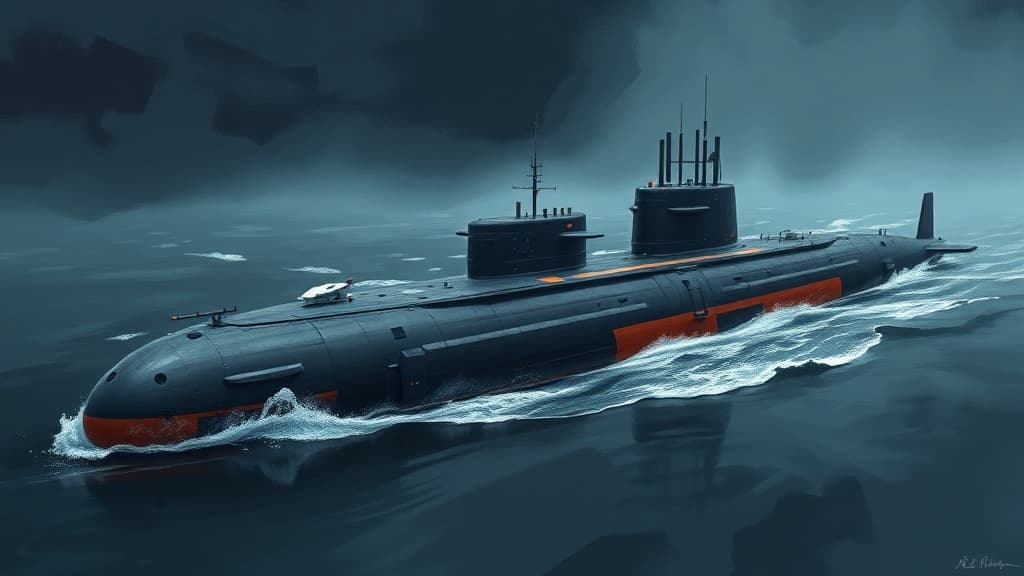
Taiwan's Hai Kun (海鯤) submarine has experienced multiple delays, with its first submerged dive occurring in late January, and it has yet to meet crucial deep-water tests. The original delivery deadline was November of the previous year, but CSBC Corp now aims for June, incurring daily penalties from the Ministry of National Defense.
The total projected cost for the Indigenous Defense Submarine program is NT$405 billion over 25 years, significantly exceeding costs of similar vessels in Japan and South Korea. Technical issues have plagued the program, including failures in hydraulic systems and cooling leaks.
Taiwan's strategic situation is complicated by its limited submarine fleet, facing opposition from China's extensive anti-submarine capabilities. The high costs and operational challenges of the Hai Kun class suggest a reconsideration of Taiwan's defense investments, favoring mobile and survivable systems over a small fleet of submarines. The U.S. has encouraged Taiwan to adopt more cost-effective asymmetric warfare strategies, which could bolster its deterrent capacity against Chinese threats.


Comments