
Thailand's Rice Farmers Adopt Low-Carbon Practices for Carbon Credits and Market Expansion
Farmers in Thailand's Central Plains are adopting a low-carbon rice cultivation model that reduces chemical use and allows for carbon credit sales. The model, supported by the Thailand Greenhouse Gas Management Organisation (TGO), enables registered farmers to certify their products and sell carbon credits while promoting sustainability. The 'Khao Chaona Ruamjai' network has become the first to receive carbon label certification, enhancing market opportunities, especially in export markets with strict environmental regulations. The initiative aims to expand low-carbon rice production across regions, targeting 1 million rai.
 Theia Market Signal Identification - AI Assisted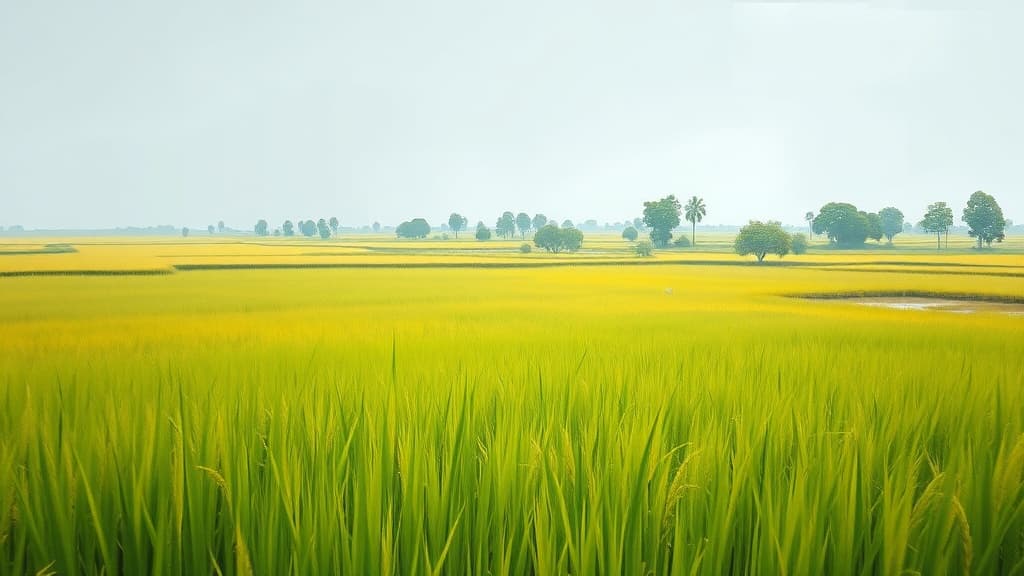
The low-carbon rice cultivation model in Thailand's Central Plains enables farmers to reduce fertilizer use and sell carbon credits. Registered farmers can certify their products through the Thailand Greenhouse Gas Management Organisation (TGO).
The 'Khao Chaona Ruamjai' network, the first to receive carbon label certification, demonstrates a successful model for sustainable agriculture and serves as an inspiration for other groups. Farmers adopting alternate wetting and drying methods have reported increased yields and reduced costs. The Rice Department aims to expand low-carbon rice promotion to 1 million rai, targeting export markets in the EU, Singapore, and Australia.


Comments