
TSMC Upgrades Kumamoto Facility to 3nm, Signaling Geopolitical Shift in Semiconductor Manufacturing
TSMC's upgrade of its Kumamoto facility to a 3nm process reflects a strategic shift in semiconductor production driven by geopolitics. This change enhances Japan's semiconductor capabilities and reinforces the importance of trusted partnerships in global supply chains.
 Theia Market Signal Identification - AI Assisted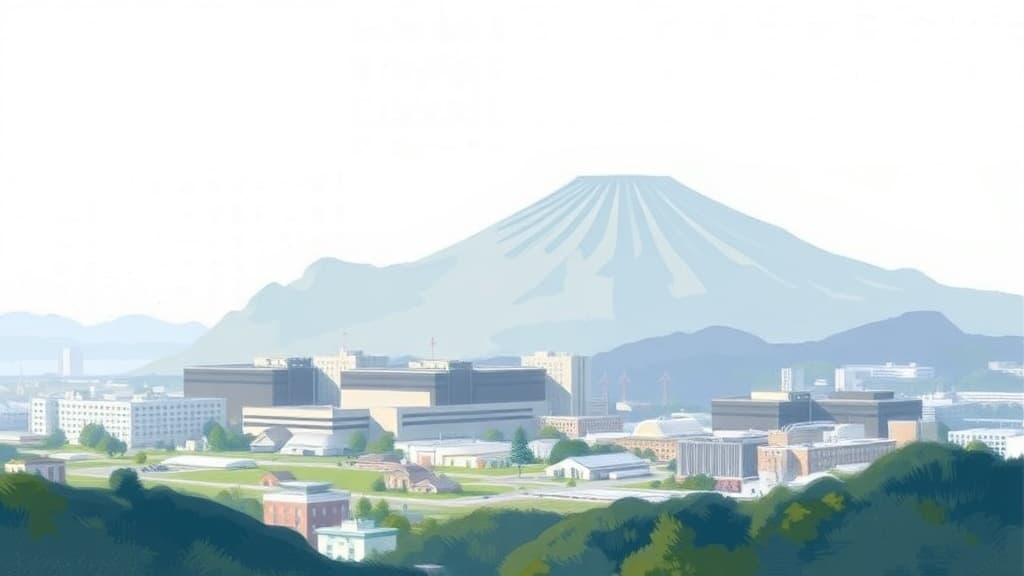
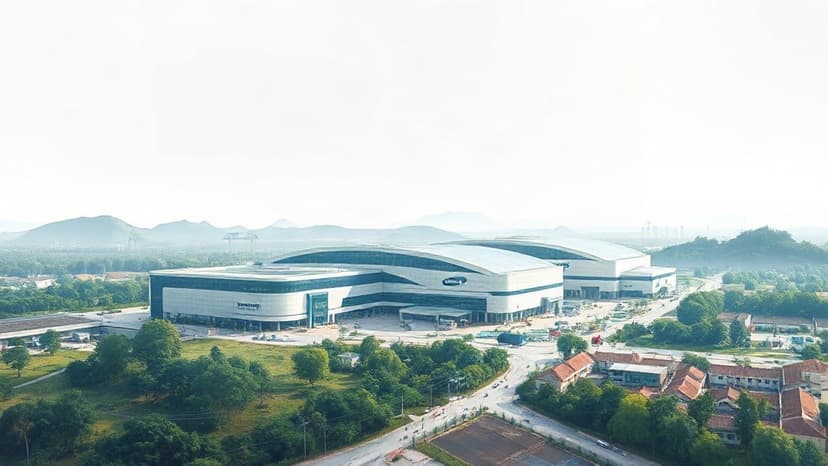
Taiwan Semiconductor Manufacturing Company (TSMC) is set to upgrade its facility in Kumamoto, Japan, to a 3nm process, with mass production expected to start in 2028 and a capacity of 15,000 12-inch wafers monthly. This upgrade, part of the Japan Advanced Semiconductor Manufacturing (JASM) project, involves over $20 billion in investments, including $4.62 billion in government subsidies approved in 2024.
Japan's semiconductor strategy aims to bolster its industrial security and reduce dependence on external supplies, positioning itself as a key player in the Indo-Pacific chip landscape. The shift reflects a broader trend where semiconductor competition is increasingly dictated by geopolitical factors and security alliances rather than pure market dynamics. The evolving scenario emphasizes the need for cooperative networks and adaptability in the global semiconductor supply chain.



Comments