
University of Helsinki Develops Superbase Technology to Reduce CO2 Capture Costs by 50%
Researchers at the University of Helsinki have developed a groundbreaking direct air capture technology that utilizes a superbase-alcohol filtration fluid, achieving a CO2 absorption rate of 156 mg per gram and reducing energy requirements by allowing CO2 release at 70 degrees Celsius. This innovation could cut carbon capture operational costs by 50% and is designed for reuse, retaining over 90% capacity after 20 cycles. Field trials are planned for 2026, as Finland increases its support for carbon removal initiatives.
 Theia Market Signal Identification - AI Assisted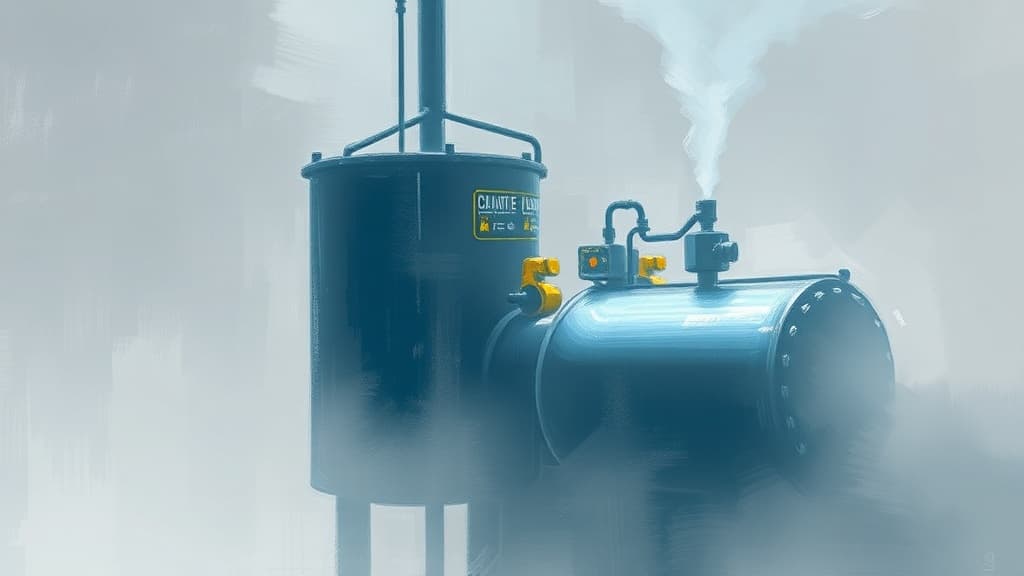
Researchers at the University of Helsinki have introduced a novel direct air capture technology that utilizes a superbase-alcohol filtration fluid, achieving CO2 absorption of 156 mg per gram. This method allows CO2 release at 70 degrees Celsius, significantly lowering energy requirements compared to traditional amine-based systems that require over 100 degrees Celsius.
Early tests indicate the superbase is reusable with over 90% capacity retained after 20 cycles, enhancing its commercial viability. The technology could reduce operational costs of carbon capture by 50%, making it a potential game-changer in achieving gigaton-scale carbon removal needed for climate goals.
Plans for field trials in 2026 are underway, with partnerships aimed at validating the technology in real-world conditions. Finland is increasing support for carbon removal initiatives, positioning the Helsinki team as leaders in sustainable chemistry.



Comments