
U.S. Maritime Action Plan: Evaluating Nuclear Power for Strategic Advantage
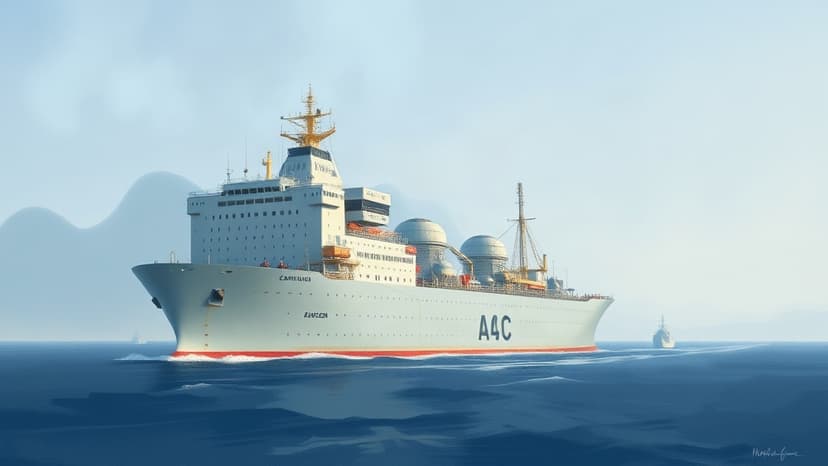
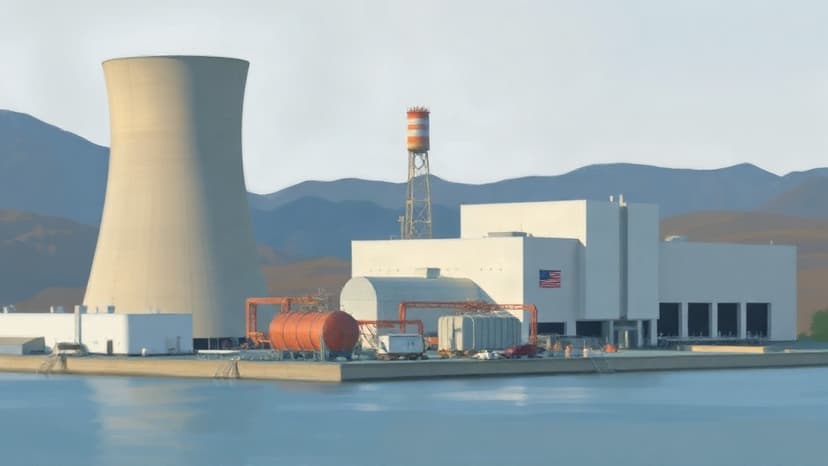
The U.S. Maritime Action Plan (MAP) aims to enhance maritime nuclear capabilities to secure interests in the Arctic and Indo-Pacific. It presents an opportunity to leverage floating nuclear power plants (FNPPs) for commercial and military operations, thereby increasing operational endurance and reducing supply chain vulnerabilities.
 Theia Market Signal Identification - AI Assisted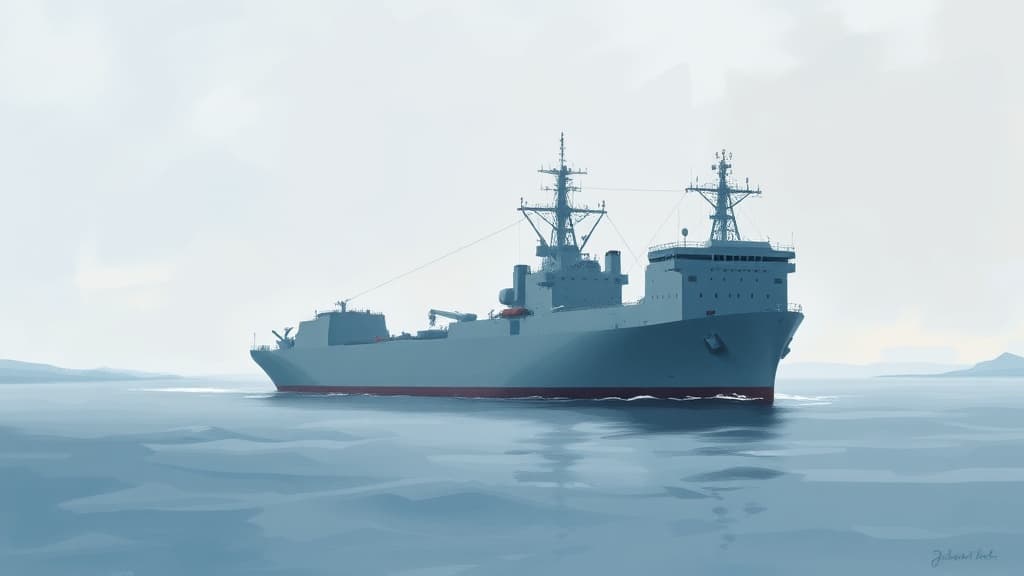
The U.S. Maritime Action Plan (MAP) seeks to rebuild maritime strength by emphasizing nuclear propulsion and FNPPs for operations in infrastructure-scarce environments. It outlines priorities including shipbuilding capacity and workforce training while advocating for regulatory modernization for advanced nuclear technologies.
Notably, the MAP proposes a Maritime Security Trust Fund (MSTF) to finance nuclear applications, signaling governmental commitment to maritime industrial revitalization. As competitors like Russia and China advance their nuclear capabilities, the U.S. must innovate to maintain geopolitical parity.
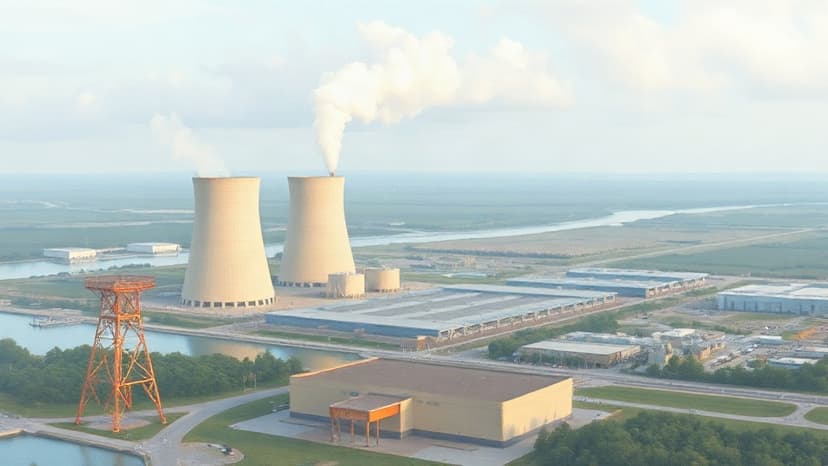
Initial steps have been taken, including the formation of a maritime nuclear policy division by the Coast Guard and the reinstatement of nuclear engineering programs at maritime academies. The MAP's comprehensive approach could facilitate the U.S. in establishing a competitive maritime nuclear industry.

Comments