
Windscale Fire: The U.K.'s Worst Nuclear Disaster Nearly Ignited Catastrophe
The Windscale fire of October 1957 released harmful radioactive elements, but effective safety measures avoided a major disaster. This incident underscores the importance of stringent safety protocols in nuclear operations.
 Theia Market Signal Identification - AI Assisted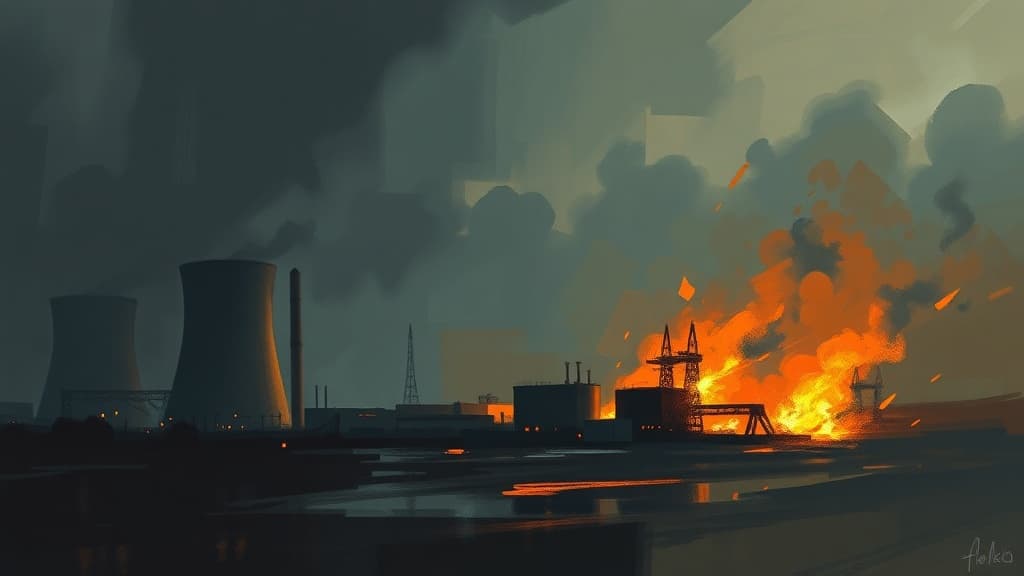
On October 10, 1957, a fire broke out at the Windscale reactor complex, leading to the release of iodine-131 and polonium-210. Due to the installation of smokestack filters, 95% of these radioactive elements were contained, averting a disaster similar to Chernobyl or Three Mile Island.
The Windscale Piles had been built in the early 1950s to produce weapons-grade plutonium under the UK's atomic bomb program. A critical malfunction caused temperatures to spike, resulting in a core fire.
The quick actions of Tom Tuohy in extinguishing the fire and prior modifications to the smokestacks were instrumental in preventing widespread contamination. A government cover-up followed, restricting milk sales in the vicinity, and the full investigation was only declassified decades later, revealing the severity of the incident.


Comments