
55th Anniversary of Aswan High Dam: Key Milestones and Impacts
The Aswan High Dam, operational since 1971, transformed Egypt into an industrial hub and reshaped regional water management. Its construction, a symbol of Soviet-Egyptian collaboration, enabled substantial economic growth but also led to significant social and environmental challenges.
 Theia Market Signal Identification - AI Assisted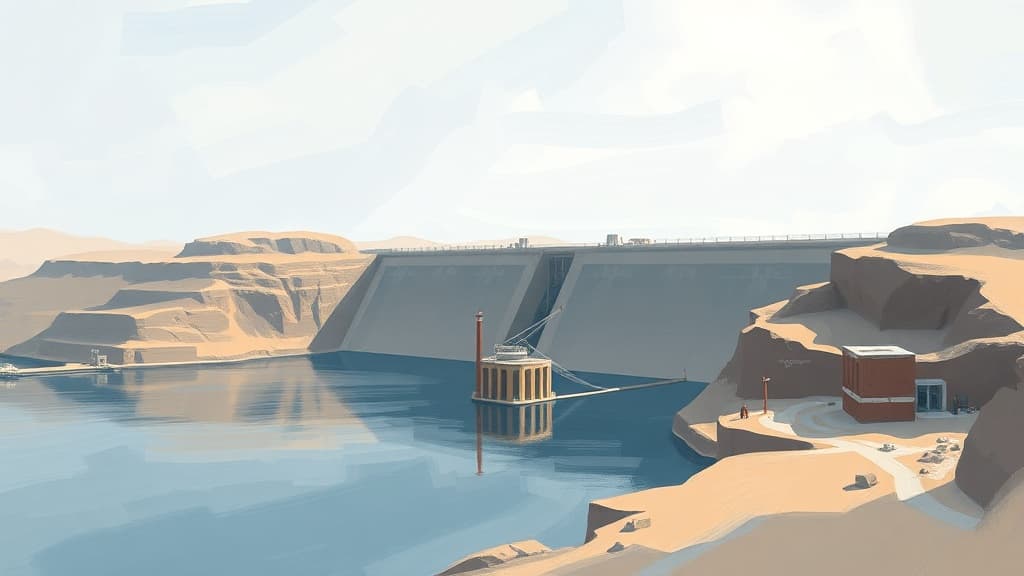
The Aswan High Dam, completed in 1970, was a pivotal project that cost over $1 billion and required extensive labor from thousands of workers. Initially generating 10 billion kilowatt-hours per year, the dam facilitated Egypt's transition to an industrial economy, doubling industrial output by 1975 and significantly boosting GDP.
Lake Nasser, formed by the dam, has a capacity of 169 billion cubic meters, aiding in irrigation and flood control. However, the project displaced 100,000 to 120,000 Nubians and reduced soil fertility.
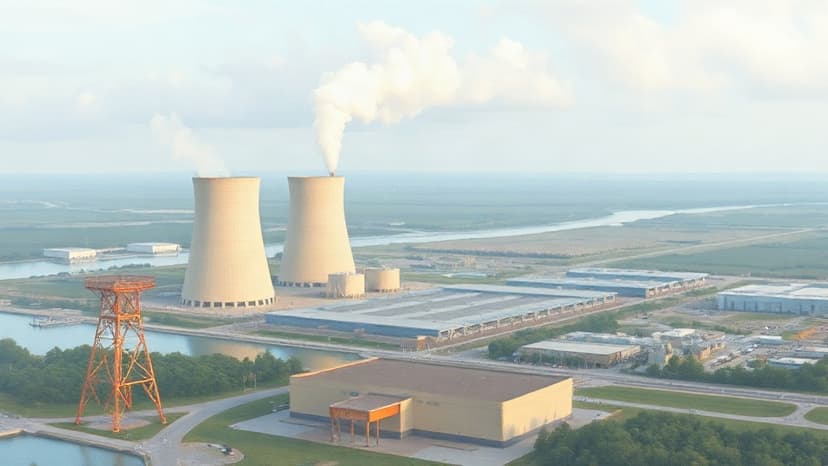
Relations with the USSR strengthened during its construction, with significant military and economic support, but shifted after Nasser's death in 1970 as Sadat realigned Egypt towards the West. Today, Egypt continues to leverage its relationship with Russia, focusing on new projects like the El Dabaa Nuclear Power Plant and an industrial zone near the Suez Canal, while aiming for sustainable growth amid environmental challenges.



Comments