
Belarus Develops Nuclear Energy Post-Chernobyl, Following Regional Trends in Eastern Europe
Belarus, significantly affected by the Chernobyl disaster, has opted to develop nuclear energy despite historical opposition. About 70% of radioactive fallout settled in Belarus, impacting 2 million people. The country built its first nuclear plant in 2020 with Russian support, shifting from a previous anti-nuclear stance. Similar trends are evident in Bulgaria, Slovakia, Poland, and Hungary, where nuclear energy is increasingly seen as a means to ensure energy independence and lower electricity costs.
 Theia Market Signal Identification - AI Assisted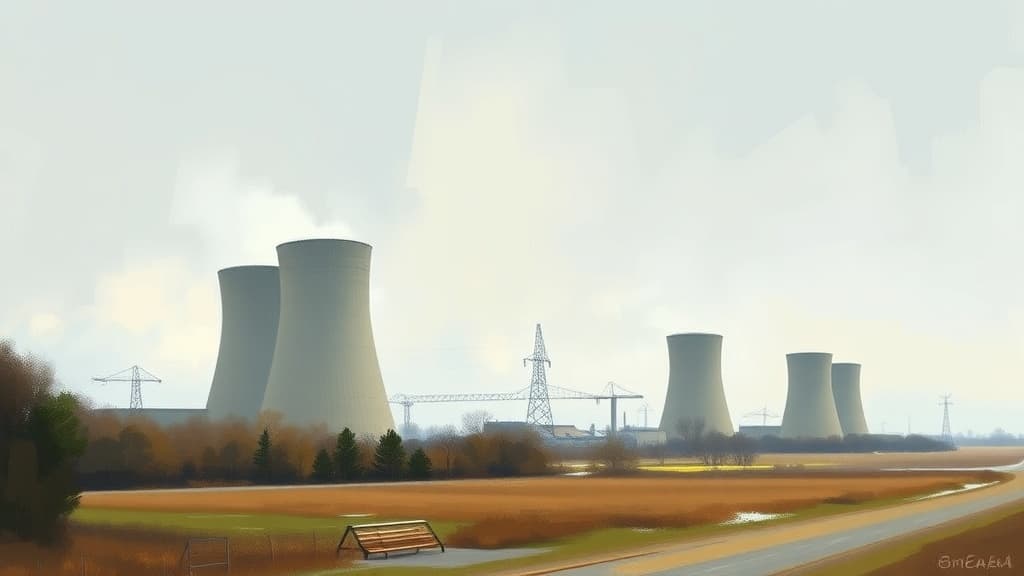
Belarus, the most affected country by the Chernobyl disaster, experienced 70% of the radioactive fallout, contaminating 23% of its land. Over 2 million people were affected, with 135,000 resettled from heavily contaminated areas.
A significant radiological contamination persists on 12-14% of its territory. Unlike many Eastern European countries, Chernobyl initially fostered anti-nuclear sentiment in Belarus, resulting in a dependency on Russian natural gas and imported electricity.
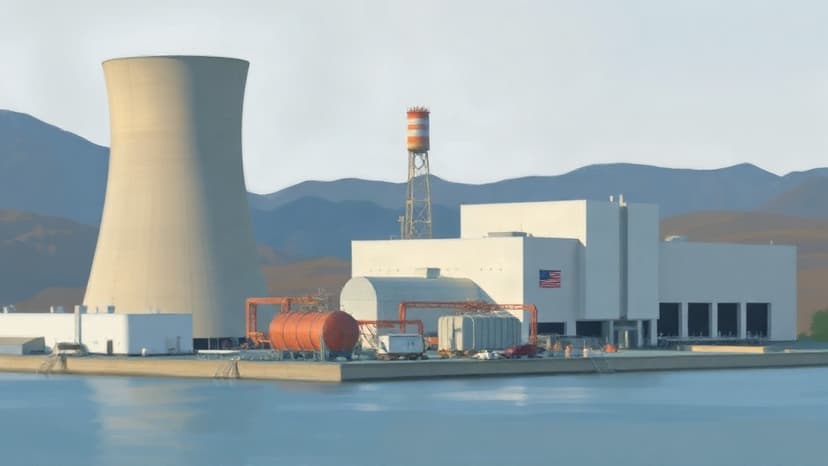
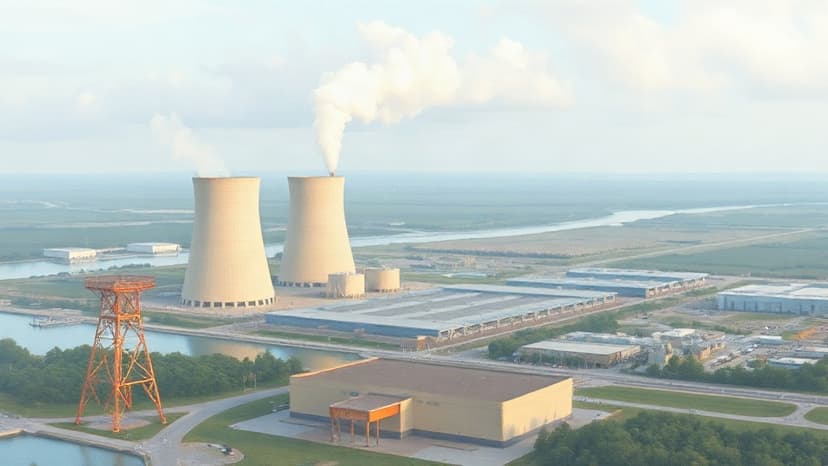
However, Belarus began developing nuclear energy and constructed its first nuclear plant in 2020 with Russian funding, marking a significant shift. Similar trends are seen in Bulgaria, Slovakia, Poland, and Hungary, where support for nuclear energy is growing for reasons of energy independence and cost.

Comments