
Bulgaria's Industry Faces Decarbonisation Challenges Amid Investment Needs
Bulgaria's industrial sector, responsible for about 5% of the country's greenhouse gas emissions, faces significant decarbonisation challenges, particularly in cement and chemicals. With a need for substantial investment in technologies like carbon capture and storage and hydrogen, stakeholders emphasize the importance of stable regulations and competitive energy prices to support the sector's transition. Over the next decade, Bulgaria must implement effective measures, including renewable energy and small modular reactors, to achieve its decarbonisation goals.
 Theia Market Signal Identification - AI Assisted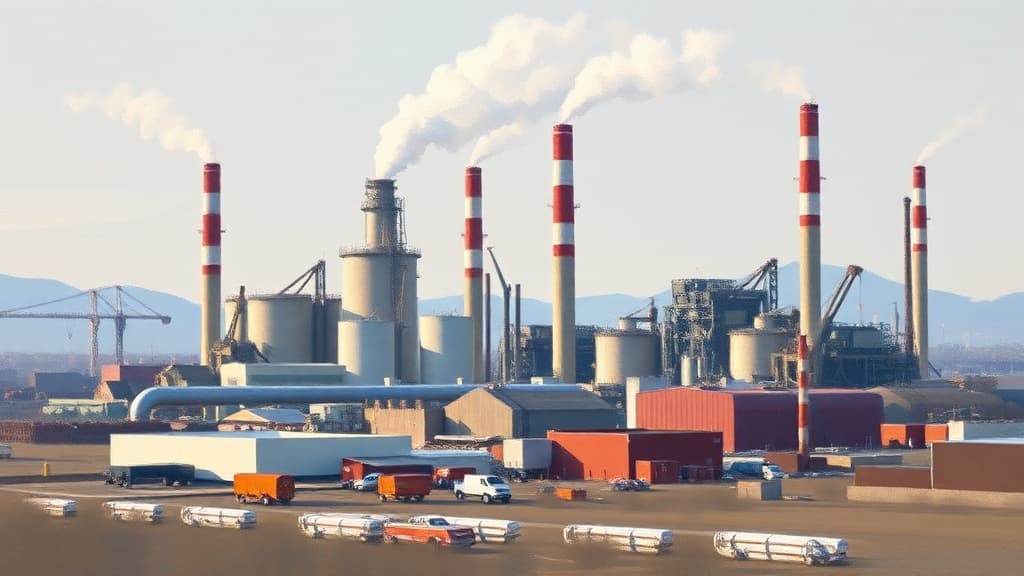
Bulgaria's industrial sector accounts for approximately 5% of the country's greenhouse gas emissions, having reduced emissions by 44% since 1990. The industry represents over 20% of GDP and a quarter of exports.
Key challenges include the absence of universal solutions for hard-to-abate emissions, particularly in cement and chemicals, while metallurgy can rely on decarbonised electricity. Investment in technology development, such as carbon capture and storage (CCS) and hydrogen use, is essential.
Ensuring competitive energy prices is critical for maintaining market presence amid increasing regulatory demands. Stakeholders advocate for stable regulations, free allowances, and improved EU market interconnections.
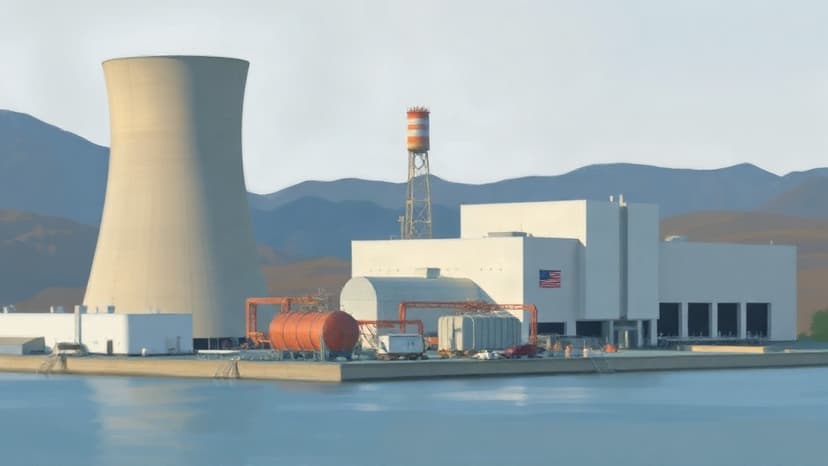
Over the next decade, Bulgaria will need to deploy technologies like CCS, renewable energy, and small modular reactors (SMRs) for effective decarbonisation. Urgent policy measures include halting new regulations, enhancing market integration, and mobilising substantial investments.


Comments