
California's Westlands Water District Proposes Solar Conversion for Farmland
The Westlands Water District aims to transform 136,000 acres of farmland into a solar and battery network, generating approximately 21 gigawatts of energy. This initiative responds to California's water crisis and aims to mitigate the economic impacts on agricultural communities facing strict groundwater regulations.
 Theia Market Signal Identification - AI Assisted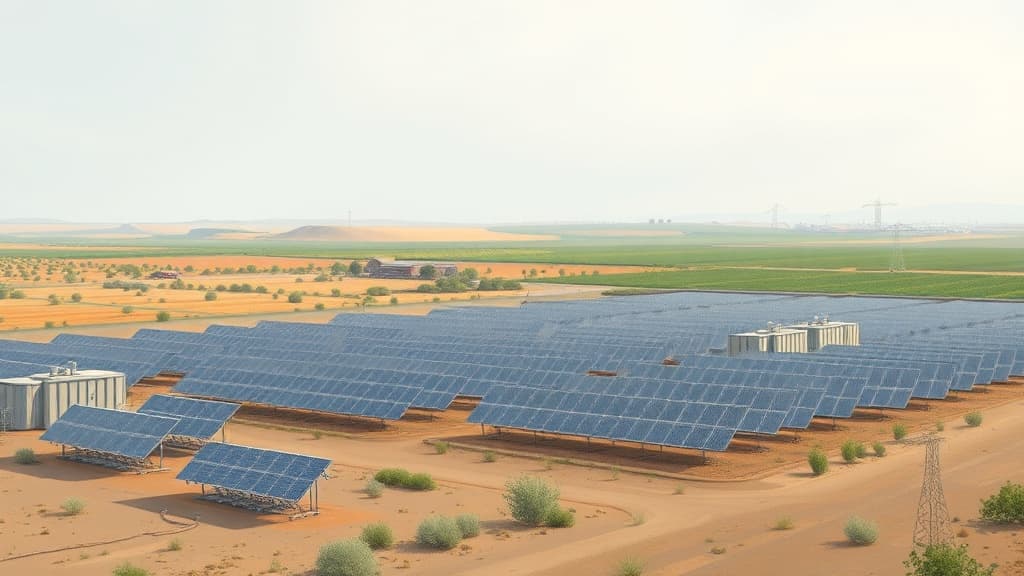
The Westlands Water District is proposing to convert 136,000 acres of water-depleted farmland in California's San Joaquin Valley into a solar energy and battery storage network, potentially adding 21 gigawatts of capacity. This plan is a direct response to the Sustainable Groundwater Management Act, which mandates aquifer sustainability by the early 2040s, threatening to force farmers to fallow significant acreage.
The district will generate and sell electricity rather than becoming a utility, with local use for irrigation and excess power sold through the California Independent System Operator. Community benefits and employment are concerns as local job opportunities may diminish with reduced agricultural production.
The timeline for project rollout is expected over the next decade, with funding for community benefits anticipated to start only after construction. The transition from farming to solar energy highlights the need for adaptation in the face of water shortages and energy demands.



Comments