
Canada's Climate Resolutions for 2026: Embrace Solar, Strengthen Supply Chains, and Innovate Technologies
Canada is set to tackle significant climate challenges by 2026, focusing on increasing solar power adoption, enhancing local food supply chains, and promoting sustainable building technologies. With electricity demand projected to double by 2050, the nation aims to diversify its critical minerals supply chain and attract investment in clean tech by mitigating risks for investors. Additionally, addressing food waste and supporting modular farms are key components of Canada's climate strategy.
 Theia Market Signal Identification - AI Assisted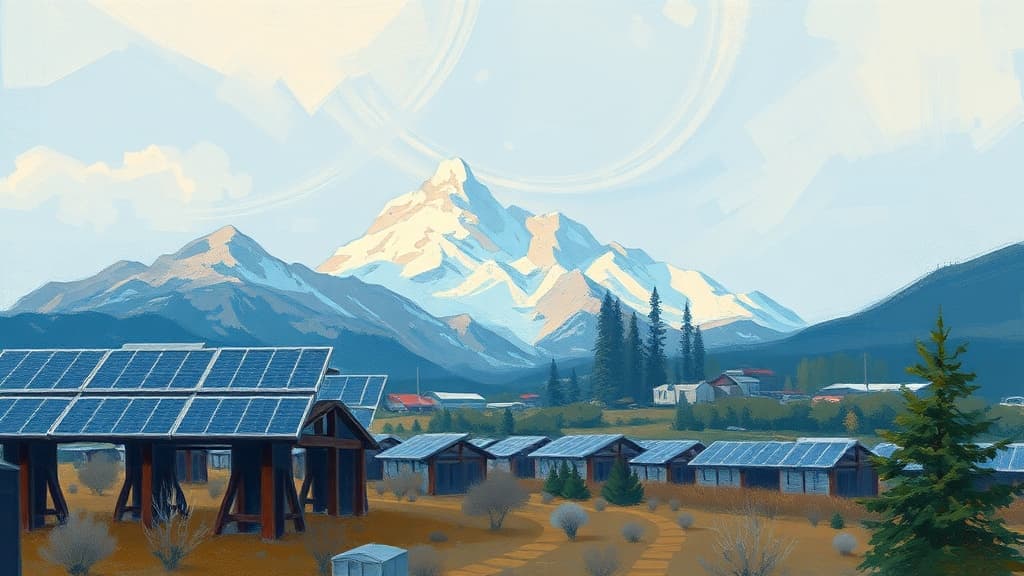
Canada faces critical climate challenges as electricity demand is expected to double by 2050, with natural gas comprising 16% of Ontario's power supply. To address this, the country should embrace solar power, which currently contributes only 1%.
Alberta previously supported solar initiatives but now imposes restrictions. Canada also needs to improve its food supply chain, with 40% of food wasted and increased interest in local production, such as modular farms.
Additionally, clean tech companies struggle to secure financing, often looking to the U.S. for funding. Canada has opportunities to attract investment by removing risks for investors. The domestic supply chain of critical minerals, especially rare earth elements, must be diversified to reduce reliance on China. Lastly, with 3.5 million homes planned, Canada should adopt sustainable building technologies to lower emissions and enhance climate resilience.


Comments