
Canada's Selected Megaprojects: A Risky Investment with High Opportunity Costs
Canada has officially designated five megaprojects as in the national interest from an initial list of 32, with significant financial implications. While the focus on nuclear and LNG projects raises concerns over their historical inefficiencies, smaller mining and trade infrastructure projects show promise. The analysis highlights the risks associated with these choices, questioning their alignment with future economic and climate goals.
 Theia Market Signal Identification - AI Assisted
Canada's recent decision to designate five megaprojects as in the national interest from an initial pool of 32 reflects a significant and strategic choice. However, upon closer examination through the lens of reference class forecasting—a method championed by Professor Bent Flyvbjerg—it becomes clear that the financial and environmental ramifications of these projects are profound and potentially troubling.
The approved projects amount to an estimated CA $58.8 billion, exceeding official estimates by nearly a third. Dominating this list is the nuclear sector, projected at over CA $32 billion, alongside LNG Canada Phase 2, which stands at CA $20 billion.
These two ventures alone account for nearly 90% of the total projected expenditures, revealing a concerning lack of diversification in Canada’s energy portfolio. By leaning heavily on nuclear and LNG technologies, Canada appears to be hedging its bets on legacy systems rather than investing in the more reliable and sustainable energy sources that are crucial for a low-carbon future.
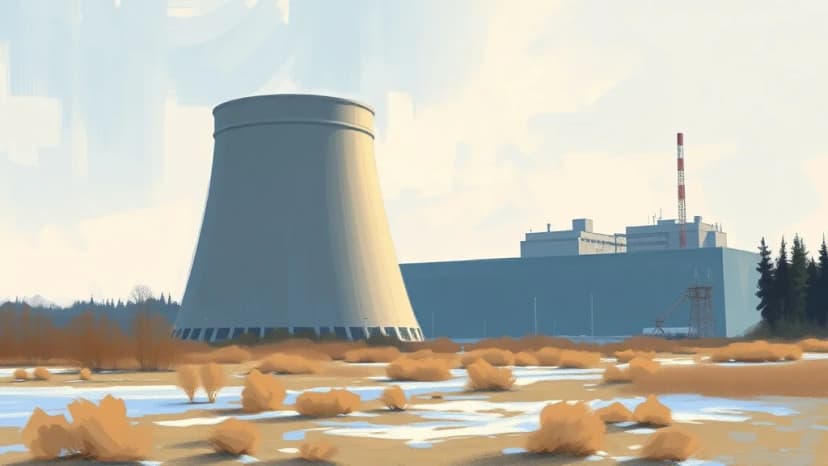
The Darlington small modular reactor (SMR) is touted as a groundbreaking achievement, claiming it would power 300,000 homes and foster a new nuclear supply chain. Yet, the track record of such projects is disheartening; variances often exceed 50%, indicating a high likelihood of delays and cost overruns.
Similarly, while proponents of LNG Canada Phase 2 argue for its efficiency and shorter shipping routes, the reality presents a sobering picture. Over its lifetime, Phase 1 is expected to emit 2.2 billion tons of CO2e, raising questions about the long-term viability of the project, especially amidst a global push for decarbonization.
Moreover, Bent Flyvbjerg’s analysis indicates that renewable energy projects, particularly transmission, wind, and solar, tend to be more predictable and cost-effective. By favoring nuclear and LNG, Canada seems to be choosing riskier pathways over established, reliable options.
In contrast, mining projects like McIlvenna Bay and Red Chris, which focus on essential materials for electrification, align more closely with the nation’s climate goals. Furthermore, the expansion of the Contrecoeur container terminal signals a commitment to enhancing trade infrastructure, a necessary step for supporting resilient supply chains.
However, the overarching narrative remains worrisome. The majority of investment continues to flow toward nuclear and LNG, both of which have histories marked by unmet cost and schedule promises. As the world increasingly turns to renewables, the relevance of LNG may wane, complicating future profitability. The smaller projects, while more aligned with sustainable practices, are overshadowed by the hefty investments in outdated energy technologies.
Ultimately, these choices will shape Canada's economic trajectory and emissions profile, determining whether job growth and GDP are anchored in emerging sectors or bogged down by declining industries. The coming decade will reveal whether the ambitious plans for the Darlington SMR and Kitimat LNG can withstand shifting global demands, and whether the mining initiatives can deliver on their promise for net-zero copper.
In summary, Canada has made decisive choices that carry substantial risks and opportunity costs. These projects will not only be judged on their initial promises but must also be evaluated against their long-term outcomes. As the country navigates its energy future, the critical question remains: will these investments yield the desired benefits, or will they become burdensome liabilities as the world moves toward a sustainable economy?



Comments