
Debate Over Wind and Solar Energy Value Amidst U.S. Policy Changes
President Trump has opposed wind power by canceling significant federal funding for offshore projects, while the U.S. Energy Department labeled wind and solar infrastructure as 'worthless' during non-generating conditions. However, experts highlight that advancements in battery storage are enhancing the feasibility of renewable energy, making it a valuable component of energy strategies that reduce reliance on costly fuels. In states like Texas, California, and Iowa, renewables accounted for a substantial share of electricity generation in May, underscoring their importance in the energy mix.
 Theia Market Signal Identification - AI Assisted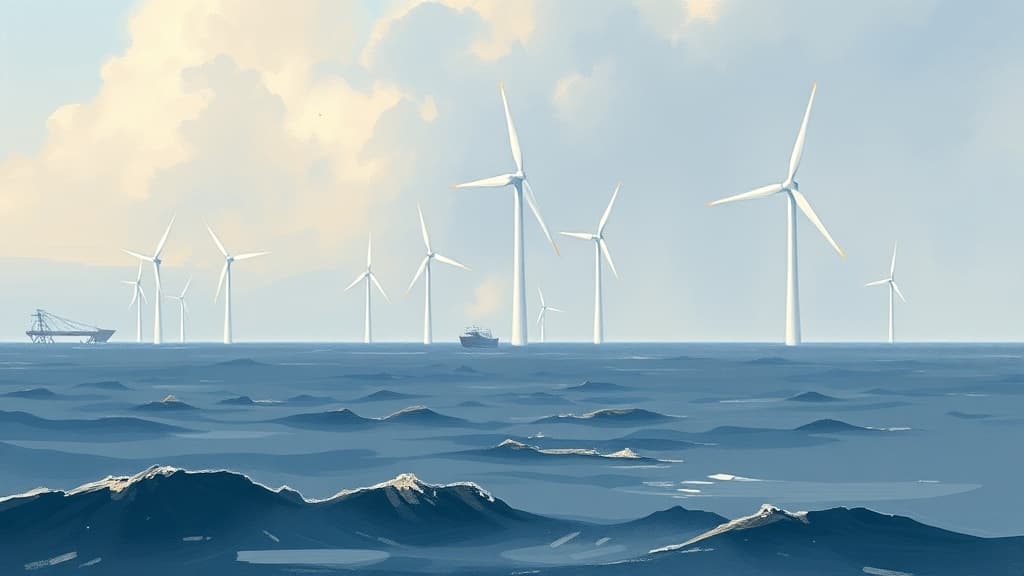
President Donald Trump has expressed opposition to wind power, canceling $679 million in federal funding for offshore wind projects and halting progress on a nearly completed project off Rhode Island. The U.S.
Energy Department stated that wind and solar energy infrastructure is 'worthless' during non-generating conditions, to which users on X countered that batteries enable energy storage for later use. Experts confirm that while wind and solar equipment do not inherently store energy, advances in battery storage are making renewable energy more feasible.
Storage methods include batteries and pumped hydro systems. Despite potential cost implications for storage, experts assert that wind and solar are valuable in energy mixes, reducing reliance on more expensive fuels and helping manage electricity demand. In May, renewables constituted a significant portion of electricity generation in states like Texas, California, and Iowa, highlighting their importance in energy strategies.



Comments