
Denmark and Germany Restructure Financing for Bornholm Energy Island Amid Rising Costs
Denmark and Germany have restructured the financing of the Bornholm Energy Island project, responding to soaring offshore wind investment costs, which have increased by approximately 50% over five years. This shift includes a new intergovernmental agreement and EU funding expected to cover 645 million euros, while concerns remain over the project's economic viability and the necessity for significant state support.
 Theia Market Signal Identification - AI Assisted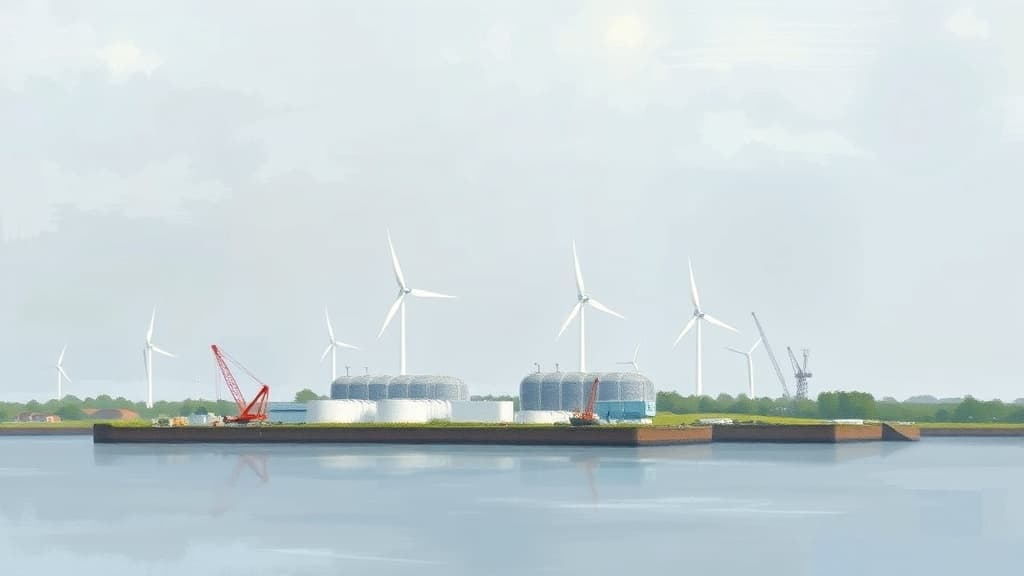
The Bornholm Energy Island project, initially planned to enhance offshore wind energy in Denmark, faces severe economic challenges, necessitating an indefinite suspension of its preparation as of January 2025. A recent socio-economic analysis by the Danish Energy Agency indicates potential losses between 4 and 17 billion Danish kroner, and the project's financial model has been revised to include shared costs between Denmark and Germany, alongside a new long-term support system for wind farms.
The EU has classified the project as a Project of Common Interest, providing significant funding that underscores its regional strategic importance. The complexity and high cost of the infrastructure raise questions about whether the investment is justified compared to simpler offshore developments.
Critics argue that alternative projects could deliver more renewable energy for the same financial support. The future success of the Bornholm project hinges on developing it into a regional energy network that could enhance electricity trading opportunities in the Baltic Sea region.
Comments