
Denmark to Test Underground Wind Energy Storage using Compressed Air
Denmark is set to explore underground storage of surplus wind energy using compressed air in salt caverns, a collaboration between Nobian and Airengy. This project aims to stabilize an increasingly weather-dependent electrical grid, addressing challenges in renewable energy production.
 Theia Market Signal Identification - AI Assisted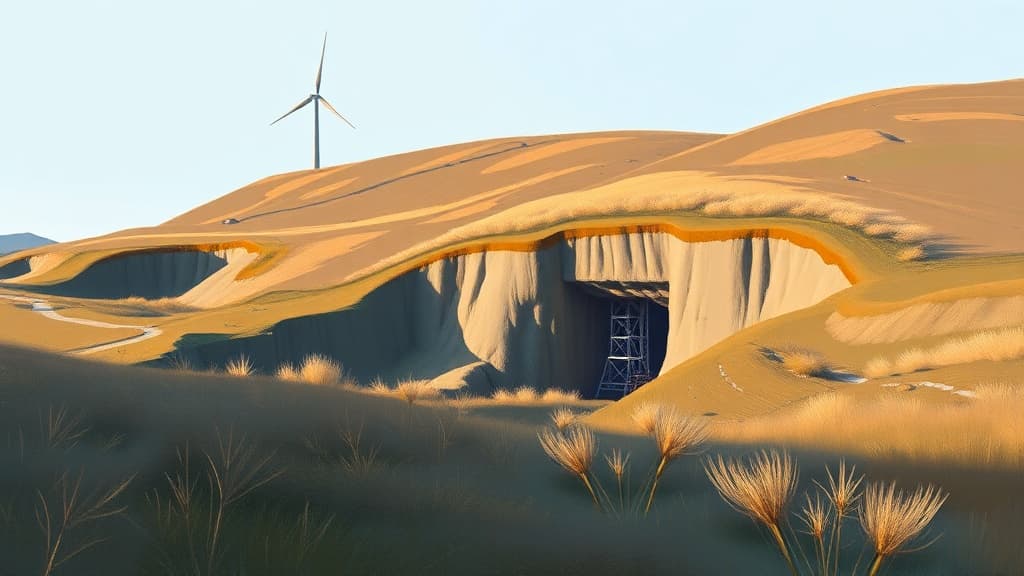
Denmark's Nobian and Israeli startup Airengy are conducting a feasibility study to store surplus wind energy in underground salt caverns using compressed air. This method, known as Compressed Air Energy Storage (CAES), utilizes existing geological structures, aiming to stabilize the electrical grid during variable wind conditions.
The gas will be injected into caverns previously used for mineral extraction, taking advantage of their natural impermeability. While this technology is not new, with historical precedents like the Huntorf facility in Germany, its revival is crucial for addressing current environmental challenges. If successful, the approach could lead to wider adoption in the global energy sector, contingent on financial viability.

Comments