
Elon Musk's Gigafactory Spurs Electrification and Renewable Energy Advancements
Elon Musk's gigafactory in Nevada, opened in 2016, has significantly advanced battery technology and solar energy production, enabling large-scale integration of electric vehicle manufacturing. The facility has driven down costs, making solar energy competitive with fossil fuels, and has led to innovations in renewable energy applications. As battery technology progresses, new possibilities such as solar-powered airplanes and trucks are emerging, facilitating a shift away from fossil fuel dependency.
 Theia Market Signal Identification - AI Assisted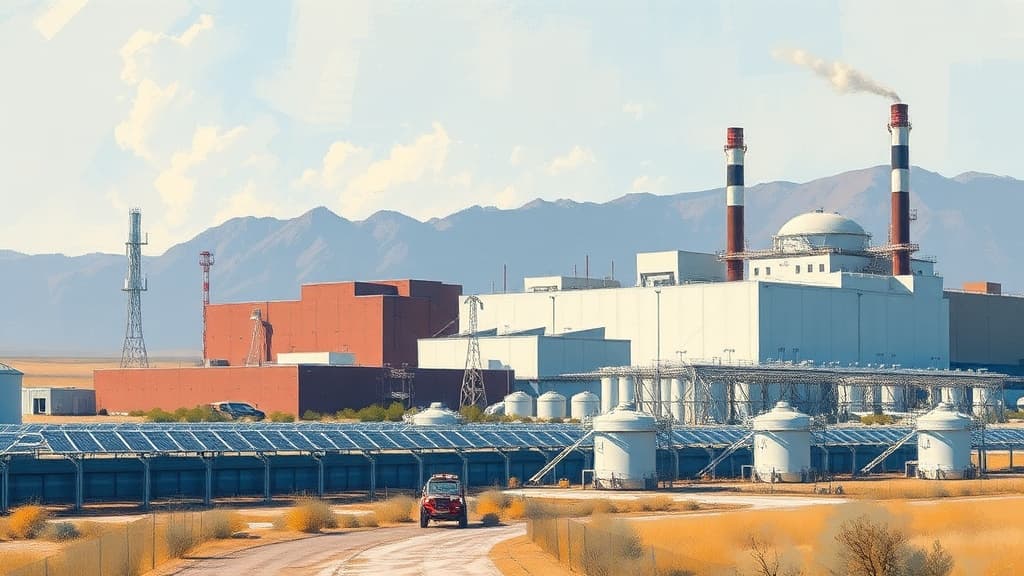
The opening of Elon Musk's gigafactory in Nevada in 2016 marked a significant turning point for battery technology and solar energy production. This facility produces advanced batteries, electric motors, and solar cells at a massive scale, facilitating the integration of electric car production.
The gigafactory's economies of scale have driven down costs, making solar electricity competitive with fossil fuels. The advancements in solar technology, alongside the development of lithium-ion batteries since the 1980s, have enabled the harnessing of renewable energy sources like solar, wind, and hydropower.
In regions like California and Australia, excess solar energy is so abundant that it is provided to consumers for free. As battery technology continues to improve, applications such as solar-powered airplanes and trucks are becoming feasible, allowing a shift away from fossil fuel dependency.




Comments