
EU Circular Economy Act Aims to Transform Waste Management and Resource Recovery by 2026
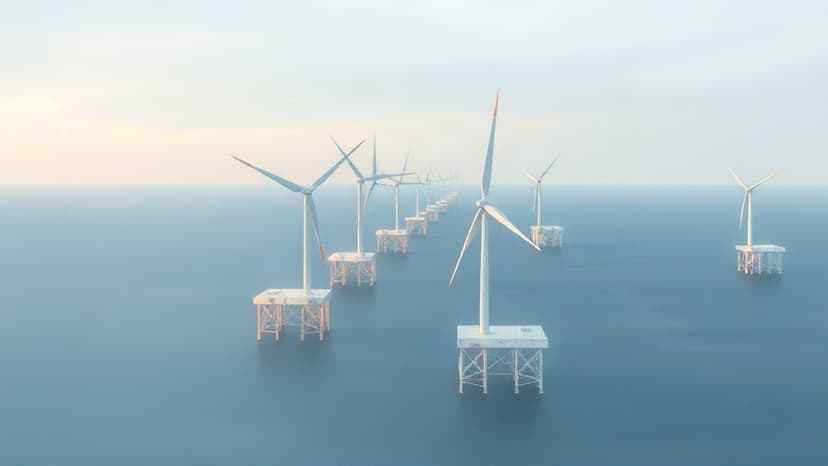
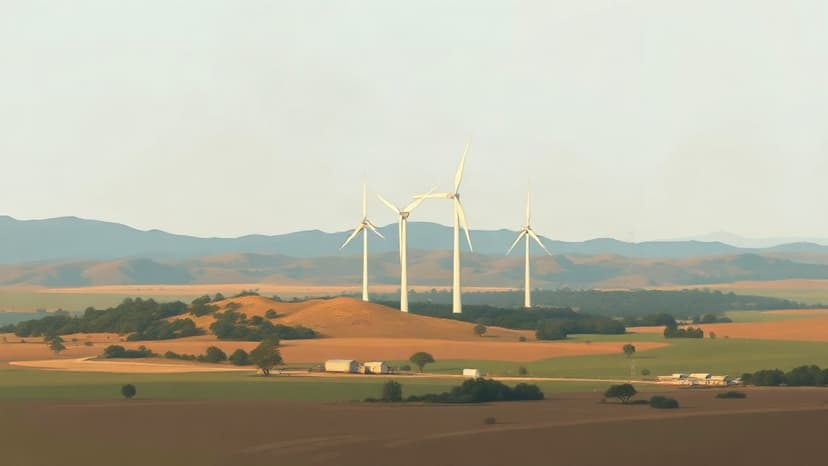
The EU's Circular Economy Act, set for late 2026, aims to create a single market for secondary raw materials, enhance recycling, and reduce resource dependency. Éxxita Be Circular, a tech group active in over 60 countries, aims to recover and refurbish electronic devices, with a revenue of €22 million last year. The company plans to build Spain's largest solar panel recycling plant by 2026 to address the impending waste from solar installations. Wind energy poses similar challenges, with initiatives to recycle turbine blades underway, including a 50% joint venture between Iberdrola and FCC Ámbito in Cortes.
 Theia Market Signal Identification - AI Assisted
The EU's Circular Economy Act, expected by late 2026, seeks to reshape Europe's economy by establishing a market for secondary raw materials and enhancing recycling efforts. Éxxita Be Circular, operating in over 60 countries, reported a revenue of €22 million last year, focusing on recovering and refurbishing electronic devices. The company plans to launch Spain's largest solar panel recycling plant by 2026, anticipating significant waste from aging solar installations. Wind energy faces recycling challenges as well, with forecasts indicating the need for recycling around 52,000 tons of turbine blades, where initiatives are being developed, including a joint venture in Cortes for blade material recovery.


Comments