
EU Shipping Emission Regulations to Fully Implement by January 2026
Starting January 2026, EU emissions regulations will fully apply to the shipping industry, requiring companies to purchase emissions certificates for 100% of verified CO₂ emissions. The cost impacts are significant, with increases in EU ETS costs projected to rise sharply. The FuelEU Maritime regulation will also impose strict carbon intensity reduction targets, affecting older ships' competitiveness. The combined effects of these regulations and sanctions are expected to create a split market, favoring modern fleets while disadvantaging older vessels.
 Theia Market Signal Identification - AI Assisted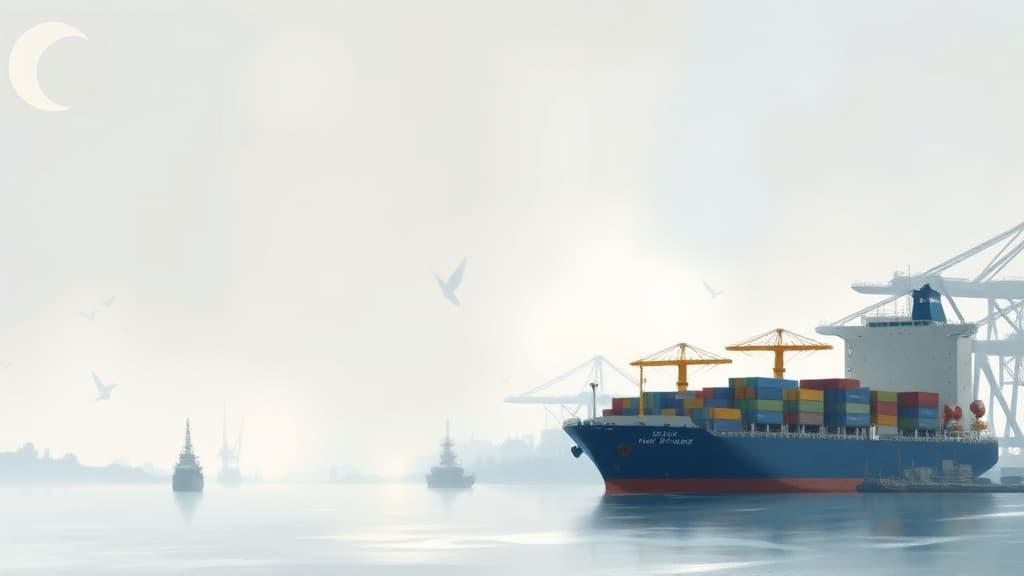
As of January 2026, EU shipping companies must acquire emissions certificates for 100% of their verified CO₂ emissions for voyages related to EU/EFTA ports, up from 40% in 2024 and 70% in 2025. Costs for EU ETS are projected to rise significantly, with estimates by Ship & Bunker indicating increases from $90.67 per ton in 2024 to $319.30 in 2026.
ShipFinex estimates annual CO₂ costs for a 10,000-TEU container ship on the Asia-Europe route will reach €7 to €11 million. The FuelEU Maritime regulation will impose binding reduction targets for carbon intensity, creating a competitive disadvantage for older ships. The combined regulatory environment is expected to result in a market split, benefiting companies with young, efficient fleets while imposing high compliance costs on older operators.



Comments