
Europe Focuses on Geothermal Lithium Extraction to Reduce Environmental Impact
Europe is shifting towards geothermal lithium extraction to mitigate the environmental impact of traditional mining, utilizing Direct Lithium Extraction (DLE) technology in regions like Rhineland-Palatinate and Cornwall. Vulcan Energy has reported a 95% recovery rate from brine in Germany, aiming to produce 24,000 tons of lithium annually for electric vehicles, while other companies like Neptune Energy and Cornish Lithium are also exploring similar methods. A recent study highlights significant lithium reserves in Germany, although commercial viability remains uncertain for some emerging projects.
 Theia Market Signal Identification - AI Assisted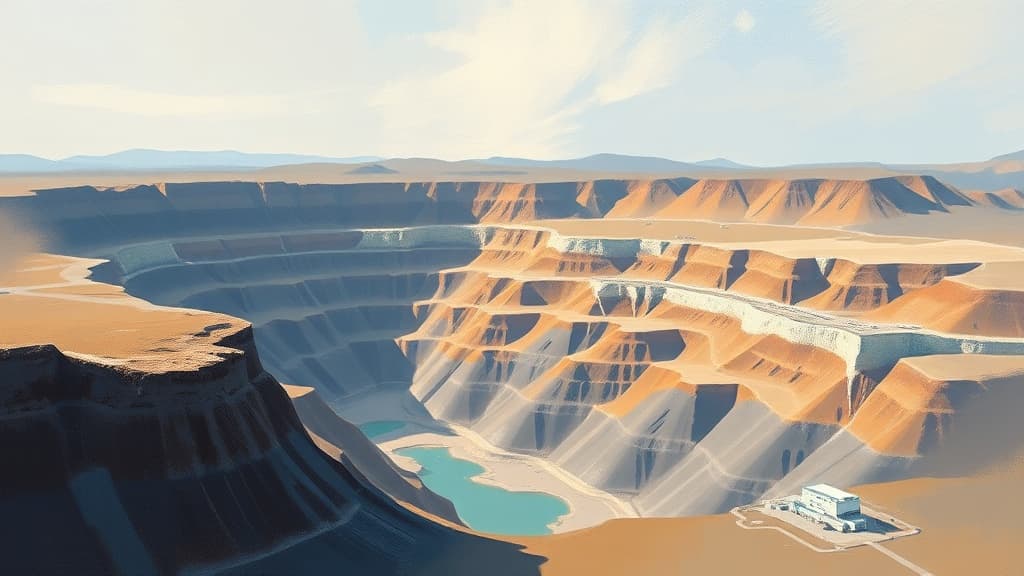
Lithium extraction from open-pit mining causes significant environmental damage, prompting Europe to explore geothermal extraction methods. Direct Lithium Extraction (DLE) technology is being implemented in regions such as Rhineland-Palatinate, Saxony-Anhalt, and Cornwall.
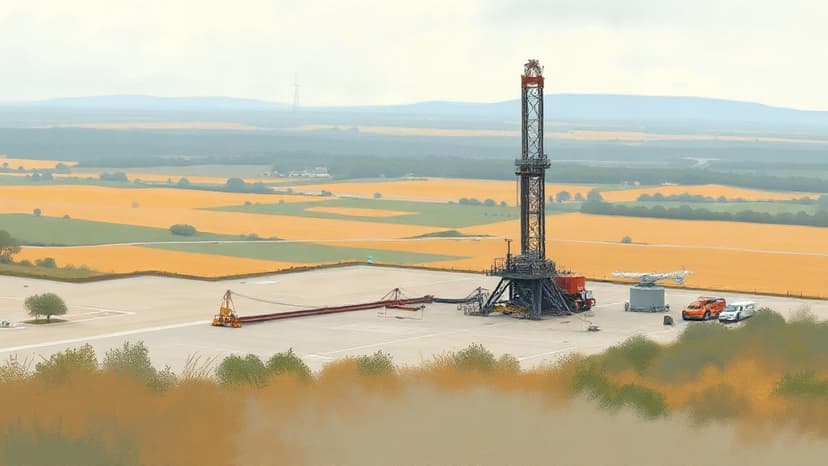
Vulcan Energy, supported by major shareholders like Stellantis and BNP Paribas, has achieved a 95% lithium recovery rate from brine at depths of 2-3 km near Landau, Germany, while minimizing water usage and carbon emissions. The company's 'Lionheart' project aims to produce 24,000 tons of lithium annually, enough for 500,000 electric vehicles.
The Fraunhofer IEG study indicates substantial lithium reserves in Germany, particularly in the North German Plain and Saxony-Anhalt. Neptune Energy plans to utilize new DLE technology to extract lithium in North Germany, while Cornish Lithium is exploring lithium extraction in Cornwall. In Belgium, concentrations of 100 mg/L lithium were found by the startup Hita, though commercial viability remains uncertain.


Comments