
European Logistics Transitioning to Battery-Powered Forklifts Amid Regulatory Changes
European logistics companies are increasingly adopting battery-powered forklifts due to rising fuel costs and stricter emissions regulations. The shift towards electric models not only addresses compliance but also offers significant advantages in total cost of ownership, particularly with lithium-ion technology.
 Theia Market Signal Identification - AI Assisted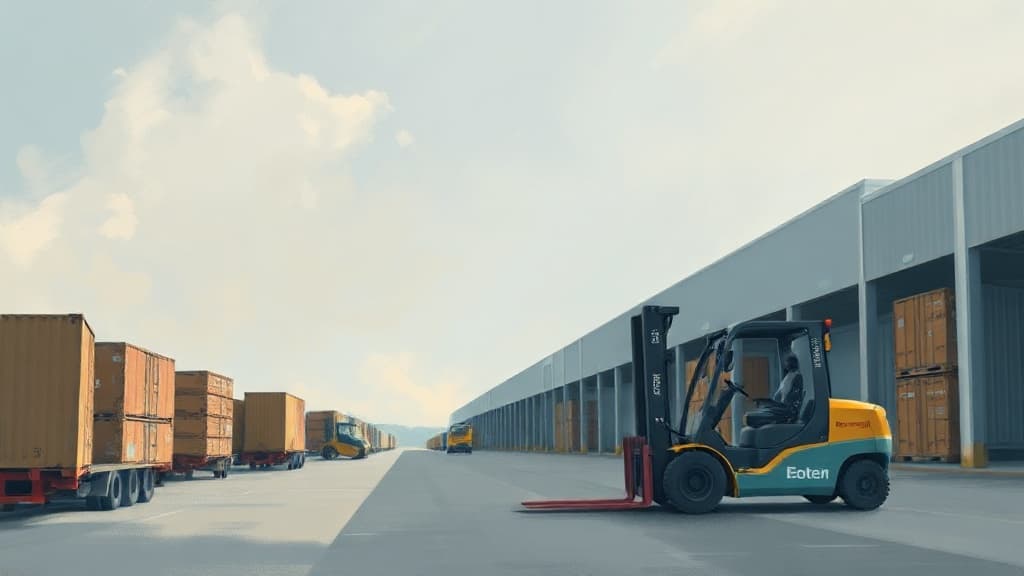
The transition to battery-powered forklifts in Europe is accelerating due to regulatory pressures and increasing operational costs. Since 2019, EU regulations mandate stringent emission limits for non-road mobile machinery, prompting operators to replace diesel trucks with electric alternatives.
The 2.0 tonne electric forklift is central to this shift, capable of handling various pallet tasks efficiently. Lithium iron phosphate batteries provide superior cycle life and charging flexibility compared to lead-acid counterparts, allowing for a quicker return on investment.
Proper planning for charging infrastructure is crucial, as the energy demands of electric models can affect fleet operations. Operators must verify load capacities and service intervals to ensure long-term reliability. The industry is poised for rapid electrification, focusing on execution speed rather than feasibility.




Comments