
Evaluation of Saab's Gripen F Bid for Indian Air Force Amid Fighter Shortfall
The Indian Air Force (IAF) currently operates 29 to 31 squadrons, below the required 42, while actively pursuing procurement of 114 Rafale jets. Saab's Gripen F bid presents a dual-seat fighter optimized for electronic warfare, offering potential operational advantages but also risks tied to reliance on the General Electric F414 engine supply chain.
 Theia Market Signal Identification - AI Assisted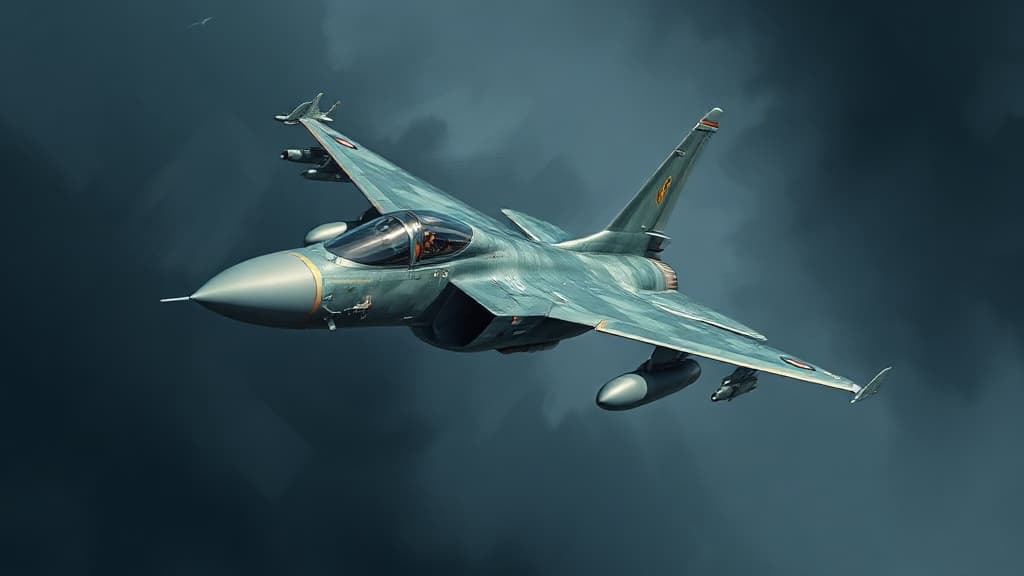
The IAF faces a critical shortfall with an active fleet of 29 to 31 squadrons against a requirement of 42. Saab's Gripen F offers a twin-seat design tailored for network-centric operations, potentially enabling rapid deployment from civilian infrastructure.
This capability aligns with India's border defense strategy and could enhance deterrence against China and Pakistan. However, reliance on the General Electric F414 engine poses significant supply chain risks, potentially affecting not only the Gripen F but also India's indigenous LCA Tejas Mk2 and AMCA programs.
Saab aims to deliver the first indigenized aircraft in three years, achieving a production rate of 30 aircraft per year within five years, contingent on U.S. supply lines. The Gripen F's open architecture could foster domestic co-development, enhancing India's aerospace capabilities and knowledge transfer. Evaluating this bid as a temporary stopgap may provide immediate operational relief while the AMCA program matures.

Comments