
Fukushima: 15 Years After the Nuclear Disaster and Ongoing Recovery Efforts
Fifteen years after the Fukushima disaster, Japan continues to grapple with the aftermath. While some areas have recovered, many remain uninhabitable. Following the 2011 earthquake and tsunami, the Fukushima Daiichi Nuclear Power Plant experienced core meltdowns, leading to extensive evacuations and long-term impacts. Despite efforts to improve nuclear safety, concerns about reactor restarts linger, as exemplified by the recent restart of Unit 6 at the Kashiwazaki-Kariwa plant. The incident highlighted flaws in safety systems and the complexities of nuclear disaster management.
 Theia Market Signal Identification - AI Assisted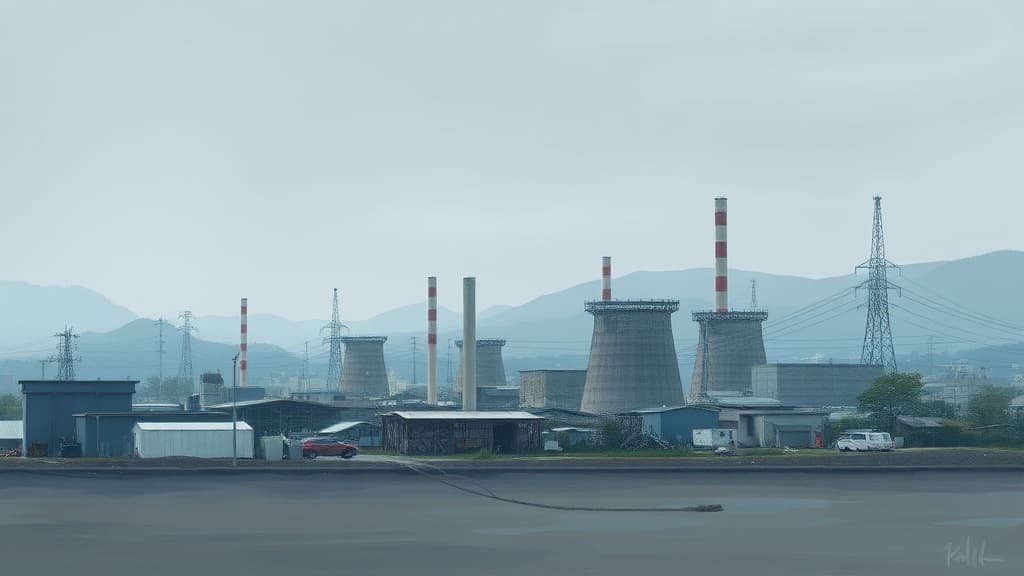
The Fukushima disaster occurred on March 11, 2011, triggered by a 9.0 magnitude earthquake and tsunami, leading to meltdowns at the Fukushima Daiichi Nuclear Power Plant. Over 100,000 people were evacuated, and the disaster resulted in significant destruction, with 123,000 homes lost and $220 billion in damages.
Today, areas like Okuma remain largely uninhabited. Japan has initiated recovery efforts, including housing projects and recycling contaminated soil. In 2023, treated wastewater began being released into the ocean, facing local backlash. Safety concerns persist, particularly regarding the restart of nuclear reactors, as highlighted by recent incidents at the Kashiwazaki-Kariwa plant; critics stress unresolved safety issues and the need for improved regulatory frameworks.


Comments