
Global Plastic Treaty Stalled Amid Waste Management Challenges in India
Discussions on a Global Plastic Treaty are hindered by disagreements over plastic production and waste management. India faces mounting plastic waste challenges, with a significant portion processed by informal workers, yet proposed solutions often exacerbate environmental issues without addressing the root causes of pollution.
 Theia Market Signal Identification - AI Assisted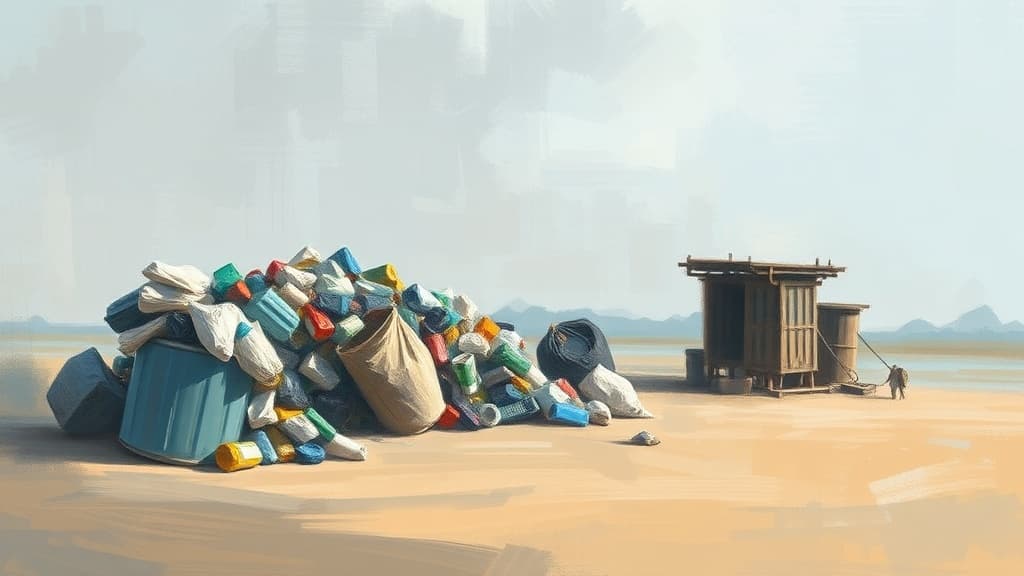
India produces 26,000 tonnes of plastic waste daily, with around 60% managed by an informal sector of 1.5 million workers. Various recycling technologies have emerged, yet many are energy-intensive and fail to provide genuine solutions, often leading to increased pollution and emissions.
Extended Producer Responsibility (EPR) policies have loopholes allowing companies to obtain fraudulent recycling credits, undermining efforts to create a circular economy. Waste-to-energy (WtE) plants, while touted as solutions, have shown to emit toxic pollutants and are economically unsustainable due to excessive water content in waste.
Experts emphasize that without addressing plastic production, downstream solutions will remain ineffective, as demonstrated by persistent reliance on polluting technologies. Investment trends indicate a preference for downstream recycling over sustainable practices like reuse and refill systems.



Comments