
Google Faces Over 10-Year Waits to Connect New Data Centers to U.S. Power Grid
Google is facing delays of over ten years to connect new data centers to the U.S. power grid, primarily due to transmission barriers. To mitigate these challenges, the company is considering co-locating data centers near power plants, although this raises concerns about cost-sharing and power allocation. Federal and regional regulators are reviewing guidelines to address these issues and improve the reliability of power supply for data centers.
 Theia Market Signal Identification - AI Assisted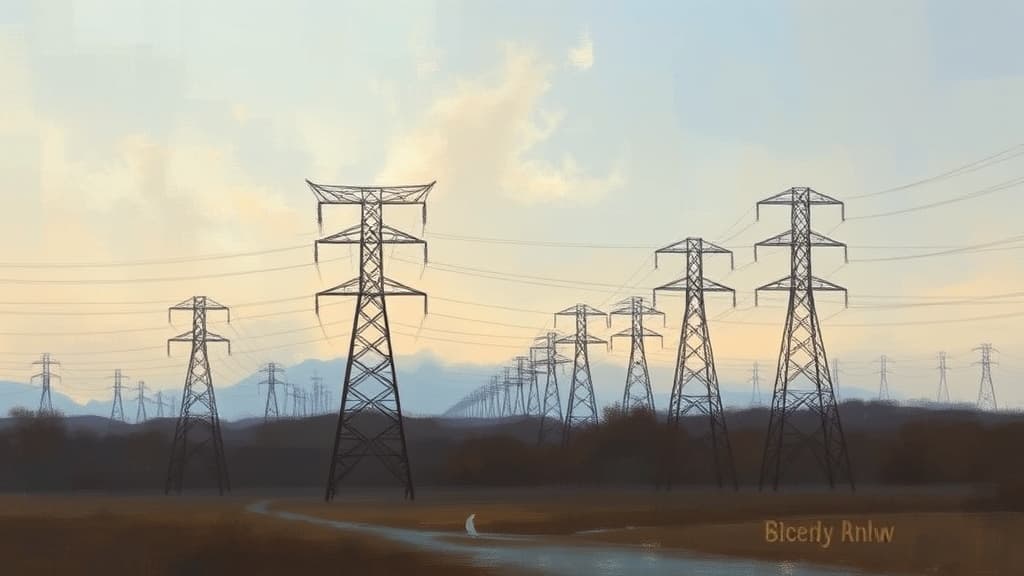
Google is encountering wait times exceeding ten years to connect new data centers to the U.S. power grid, with transmission barriers identified as the primary challenge for expanding data center infrastructure. Marsden Hanna, Global Head of Sustainability and Climate Policy at Google, noted that one utility indicated that studying the interconnection timeline could take 12 years.
The surge in energy-intensive data centers, increasingly utilized for AI training and deployment, is placing unprecedented pressure on the electricity grid. To circumvent these delays, Google is exploring co-location arrangements where data centers are situated adjacent to power plants, allowing for the avoidance of the transmission system.
However, co-location raises concerns regarding cost-sharing and implications of diverting power to a single customer. Federal and regional regulators are currently reviewing guidelines related to the costs and reliability issues arising from constructing data centers next to existing power plants. Hanna emphasized the need to address permitting for new transmission and for utilities to implement technologies to increase power supply from the existing system.



Comments