
Great North Road Solar Farm's Emissions Impact Under Scrutiny
The Great North Road Solar & Biodiversity Park project may paradoxically increase CO2 emissions despite plans to save 3.9 million tonnes over 40 years. Critics argue that emissions from production and installation could negate these savings, raising concerns about the true environmental impact of solar energy initiatives.
 Theia Market Signal Identification - AI Assisted
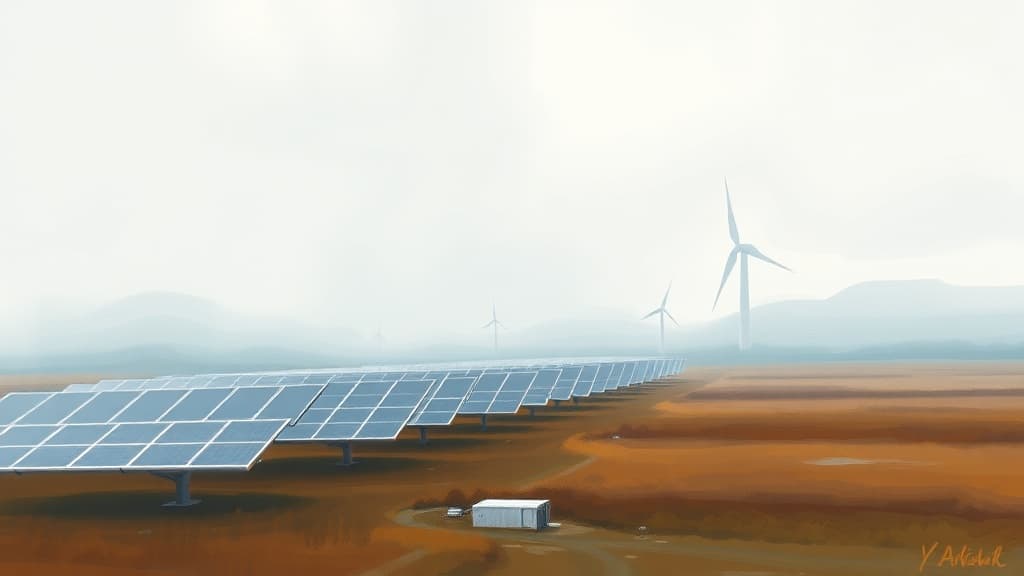
The Great North Road Solar & Biodiversity Park, planned at 800 MW over 5,800 acres near Newark-on-Trent, aims to save 3.9 million tonnes of CO2 over its lifetime as it replaces natural gas power. However, emissions from solar panel production and installation are estimated to reach 2.7 million tonnes, potentially resulting in a net increase in emissions between 1.8 and 2.3 million tonnes, according to the Norwell Solar Farm Steering Group's review.
Discrepancies in projected electricity generation and panel degradation rates have raised significant concerns about the project's feasibility and actual environmental benefit. This case highlights broader issues in renewable energy strategies where emissions are effectively exported to manufacturing countries like China, questioning the overall efficacy of such initiatives in reducing global CO2 levels.



Comments